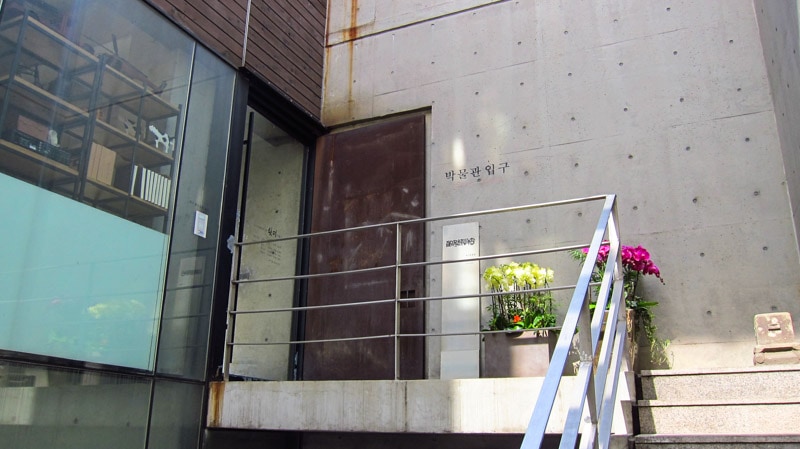
Permanently Closed
The Lock Museum is no longer open to the public.
We have preserved this page as a record of the museum’s history and its unique collection.
Looking for something similar? Check out these alternatives:
• Baek In-je House Museum: A stunning historic home filled with traditional furniture and design.
• Museum Kimchikan: Another great niche museum nearby.
• The National Folk Museum: For a deep dive into Joseon-era furniture.
The Lock Museum formerly displayed antique locks, keys, and furniture from Korea and all over the world, conserving this disappearing art for future generations. The museum, which featured over 4,000 different types of locks, was located in the district of Daehangno (College Street) near Daehak-ro southeast of Hyehwa Station. The Korean name of the museum is “seotdae” which means “a key.”
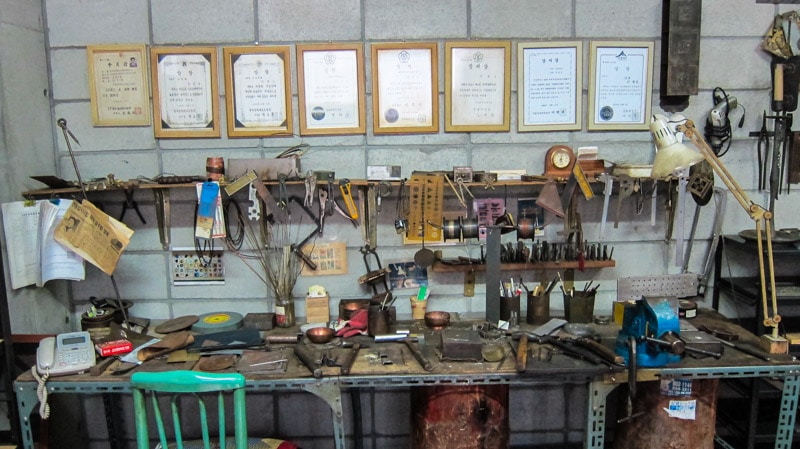
The museum was opened in a beautiful modern building in November 2003 by Choi Hong-gyu. Before he opened the museum, he ran his own hardware shop and store south of the Hangang River in Gangnam. It was known as Choi Family Hardware.
Mr. Choi, who served as the museum director, used his personal fortune to open the museum. His goal was to show visitors the beauty behind practical keys, locks, key holders, furniture, and more from his home country of Korea and from around the world.
The history and cultural importance of these locks have been disappearing as the world modernizes. The Lock Museum hoped to preserve this part of history for all to see and enjoy.
In everyday life, locks are practical and functional in protecting gates and the contents of chests and other furniture. The beauty of the design of these antique Korean locks, however, is unmatched. The designs feature characteristics of traditional art and are an important part of the cultural heritage of Korea.
When most people think about locks, they do not take the time to think about the beauty and science behind their creation and function. It is true the primary function of a lock is for security of valuables, but these locks are also important pieces of art and a key to the past.
Many of these locks were meticulously designed and wonderfully complemented the doors or furniture they were used on. Many of the patterns and engravings on these locks are also signs of luck, health, and longevity.
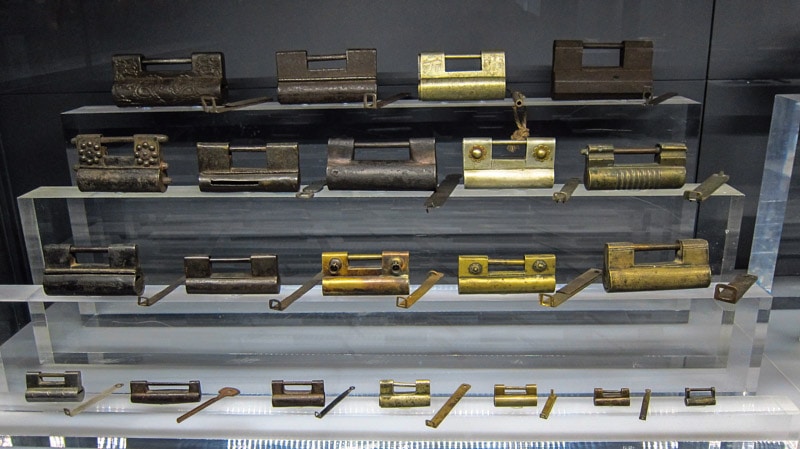
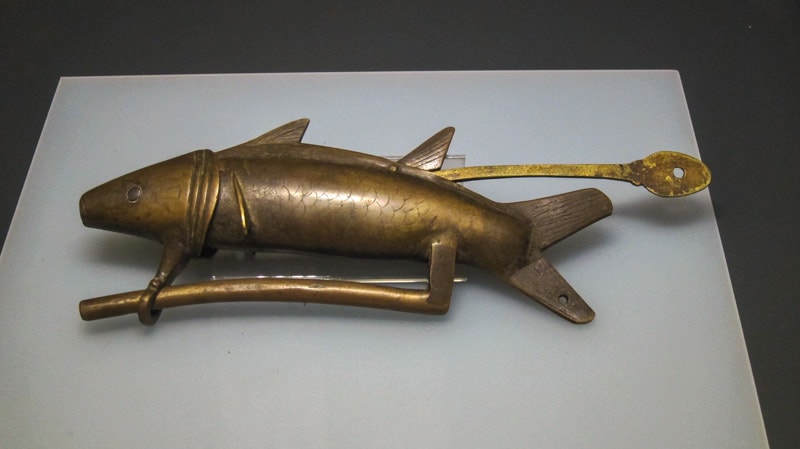
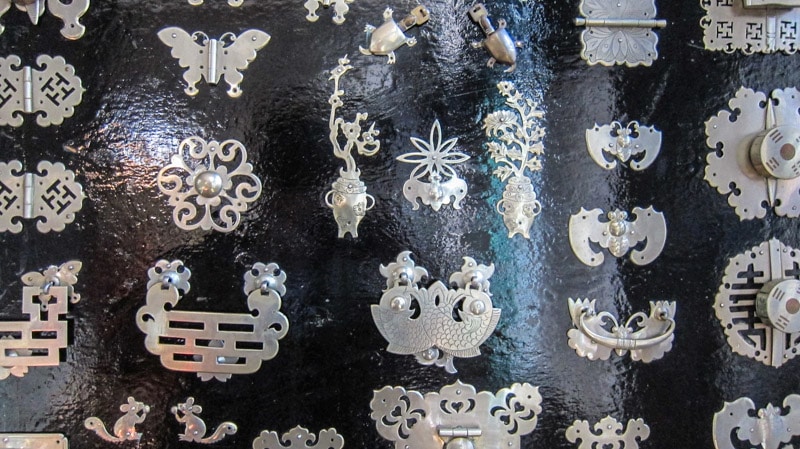
During the Joseon dynasty (1392-1897), the most basic shaped lock would have been a “ㄷ-shaped” (deegut) lock. It was not uncommon to find other various shaped locks shaped as animals such as fishes, dragons, butterflies, bats, and tortoises. Fishes are a sign of security as their eyes are open at all times and for the prevention of fire as they live in the water. Tortoises represent health and longevity as the animal usually lives a long time.
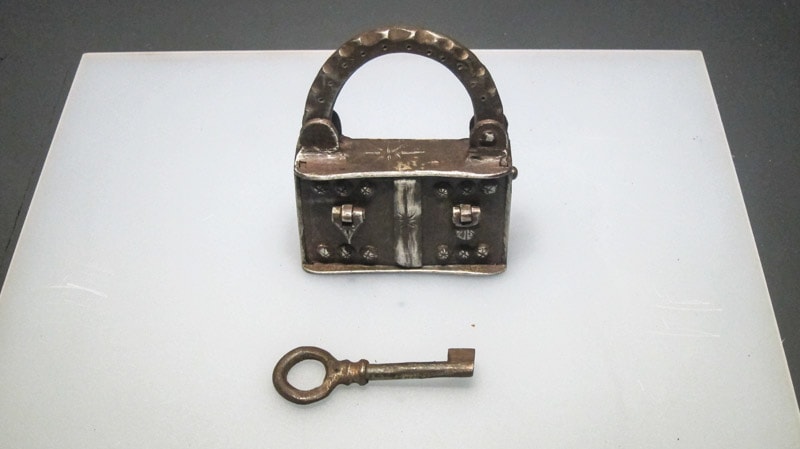
A dunte is a wooden door latch that was often used to lock hinged gates of traditional homes. A wooden bar would be put across the inner side of the gate and latched into a groove on the dunte. This would lock the door into place. These wooden duntes were also often decorated with animals such as fishes, dragons, and tortoises. These designs symbolized good health, luck, longevity, and protection for all of those who passed through the gate.
There is also a type of key ring known as a yeolsoepae. There are two types of yeolsoepae: practical and decorative. Practical yeolsoepae are often made of wood or deer horns and are used for conveniently hanging keys. Decorative yeolsoepae are luxuriously crafted and made of metals such as brass and designed with intricate woven ornaments. These decorative pieces are a sign of good luck and were often given as gifts from a mother to her daughter on her wedding day.
Exhibition Layout
Exhibition Hall 1: This was the main exhibition hall of the museum. Items here included Korean locks from as far back as the Unified Silla period (668–935) through the Joseon dynasty. On display were common ㄷ-shaped (deegut) locks and rarer versions shaped like fish, dragons, and tortoises.
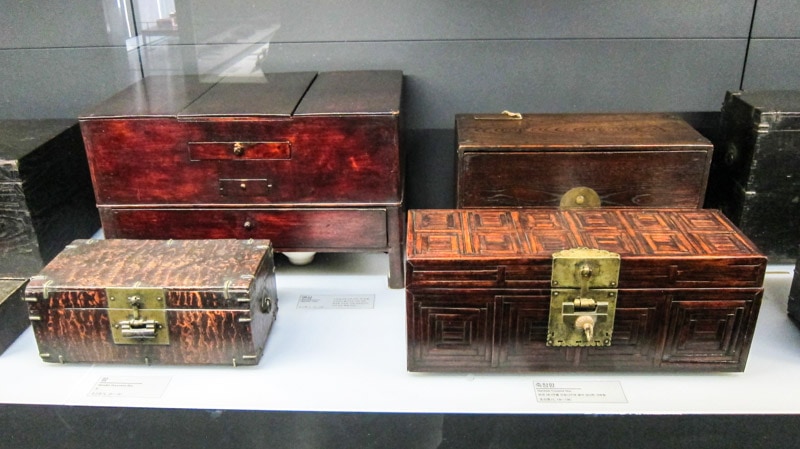
Exhibition Hall 2: Items in this exhibition hall included Joseon dynasty furniture, wooden boxes, and cabinets that were locked to protect important contents. This included key, stamp, and comb boxes, as well as boxes used to preserve portraits of the deceased.
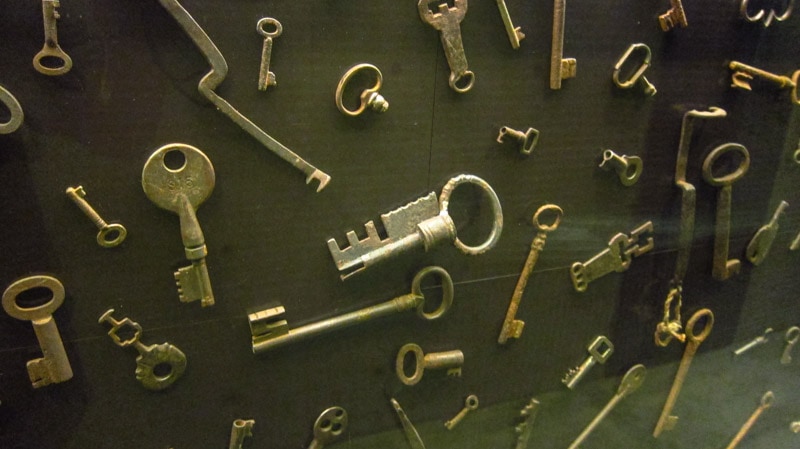
Exhibition Hall 3: Items in this small exhibition hall included a variety of metal and wooden locks, keys, bolts, and hinges from all over the world, including China, Tibet, Europe, Africa, India, and the Middle East.
Lock Museum Information
Hours
Address
100 Ihwajang-gil, Ihwa-dong, Jongno District, Seoul, South Korea
GPS Coordinates: 37.579787,127.004603
How to Get Here
Take Subway Line 4 to Hyehwa Station (Exit 2).
Continue for 200 meters until you reach the end of Marronnier Park.
Turn left onto Dongsung-gil and continue for another 200 meters.
The museum is located on 3F/4F of the rusty looking building.
Lock Museum Video
Map
Additional Resources
Klook
Klook offers discounted tickets and reservations for attractions and services in Seoul—from theme parks and museums to tours and transportation.
Viator by TripAdvisor
Book tours, activities, and unique experiences in Seoul—from sightseeing to cultural events and outdoor adventures—offered by local providers.
Rakuten
Save with cashback on hotels and travel services. Sign up and you could earn $30 cashback on your first purchase over $30.
Book Recommendations
Prefer a physical guide? Fodor’s Seoul offers detailed recommendations, maps, and travel tips for the city.
Nearby Sights
Marronnier Park
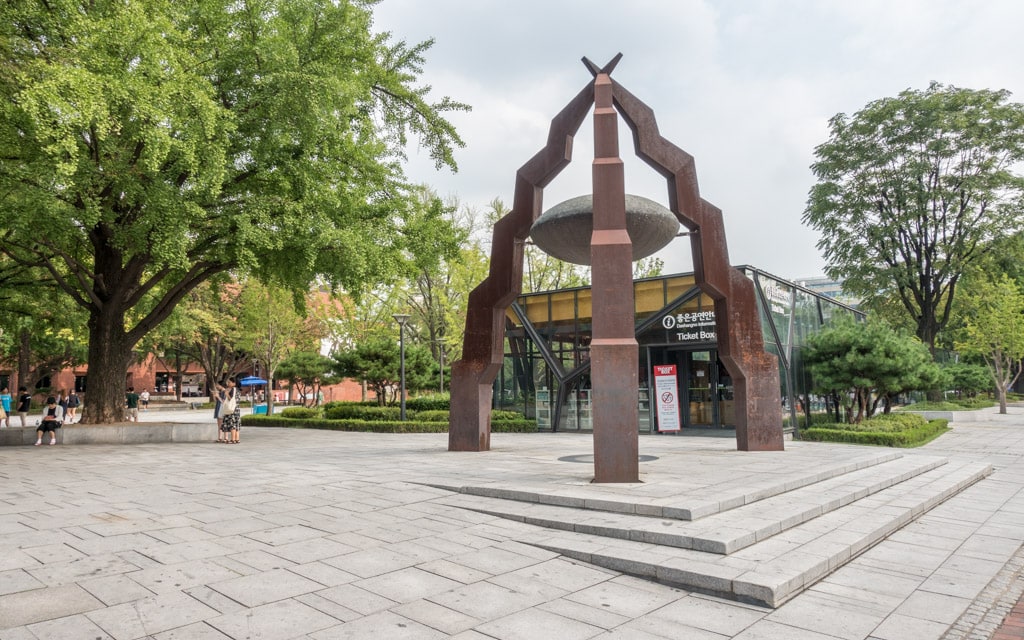
Marronnier Park is a park located in the Daehangno district of Seoul named after the large marronnier (chestnut tree) growing in the center of the park. The Marronnier tree originates from Italy and France in the Mediterranean where in the…
Daehangno (College Street)
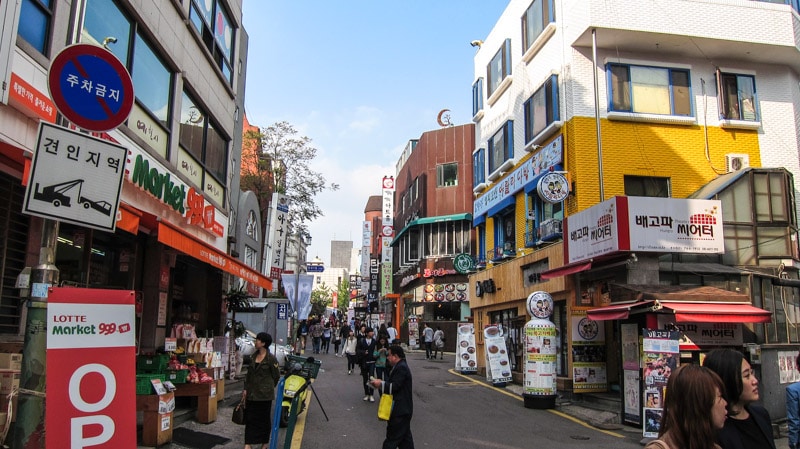
Daehangno, also known as College or University Street, is a popular youth culture area that is lined with small theaters. Seoul National University was once located here. This lively and youthful area is a great place to catch a show,…
Naksan Park
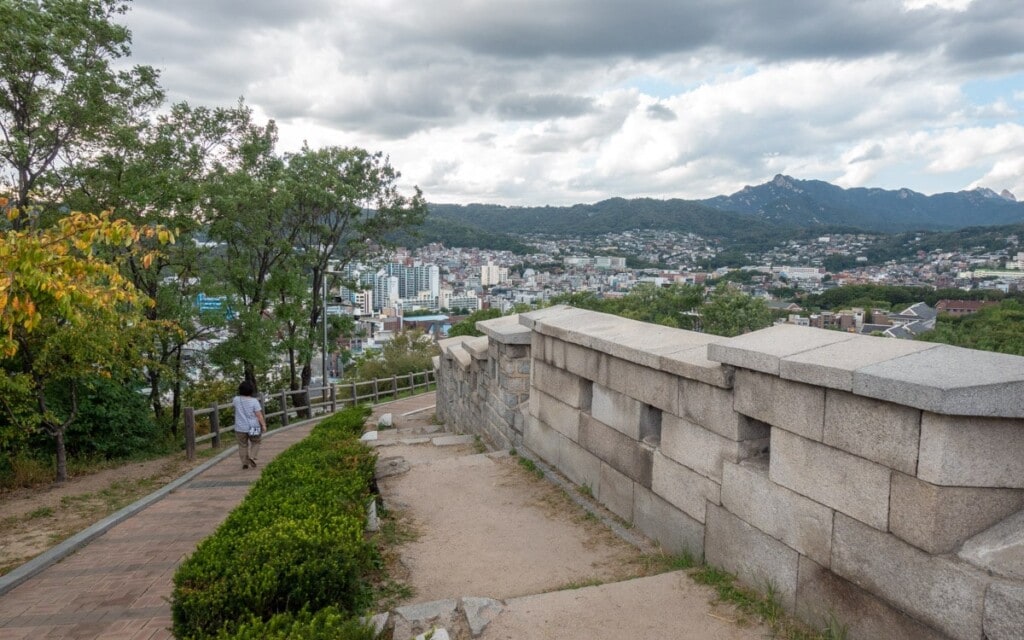
Stunning views of Seoul can be seen from Naksan Park, set high above Daehangno on Mt. Naksan. A portion of the old fortress wall runs through the park. Naksan Park is sometimes called Nakta Park. The name of the park…
Daehan Hospital
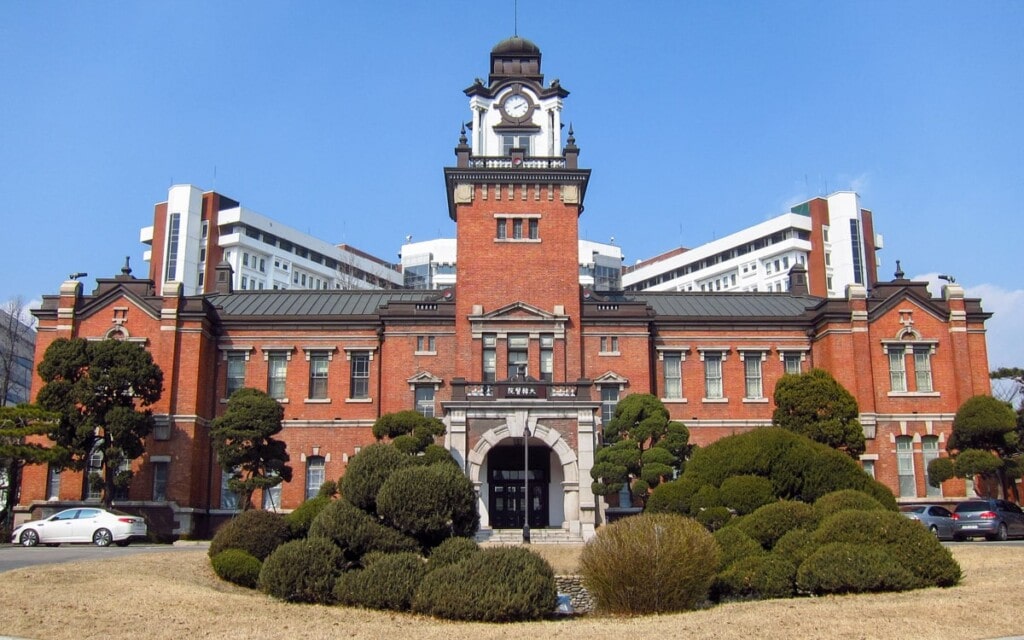
This red brick building was once the main building of Daehan Hospital, the leading medical and hygiene institution during the Great Han Empire (1897-1910). The building is now located on the grounds of the Seoul National University Hospital. In August…
Daehangno Philippine Market
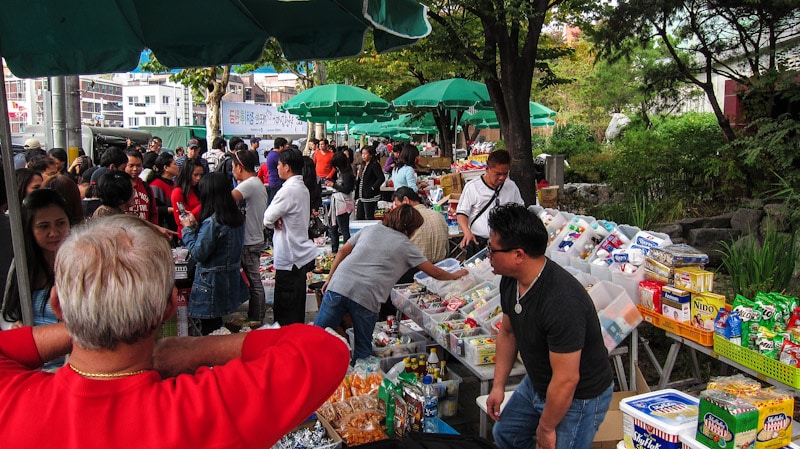
Daehangno Philippine Market is a unique Sunday street market in Hyehwa-dong that sells groceries, food, snacks, and other products from the Philippines. If you are looking for hard to find products of the Philippines, then this is your one stop…
National Children's Science Center
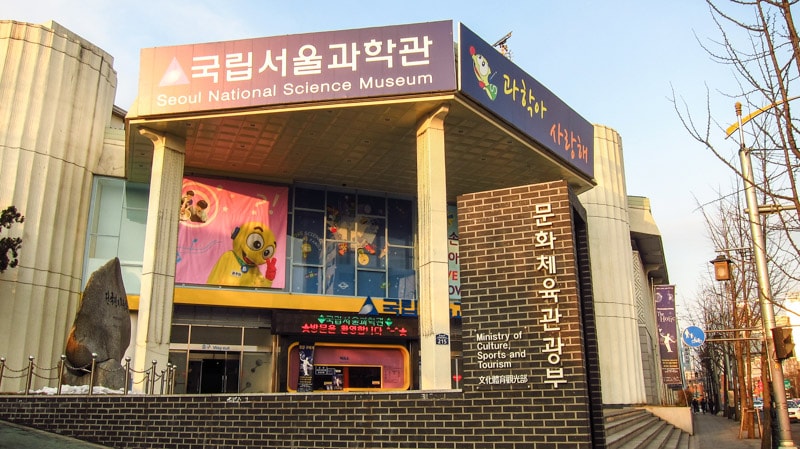
Just north of the main gate of Changgyeonggung Palace is National Children's Science Center which features interesting exhibits for both children and adults. This museum was formerly known as the Seoul National Science Museum. The museum which is often missed…
Last Updated on Feb 10, 2026