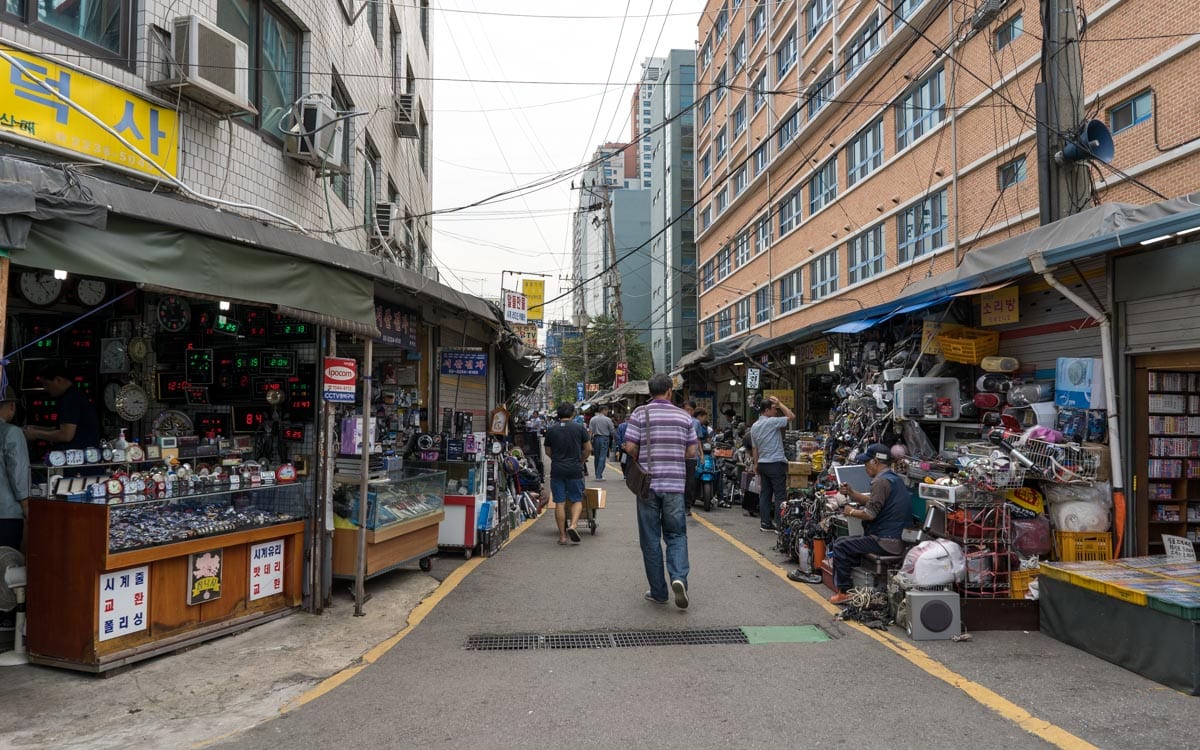
Hwanghak-dong Flea Market is just a short walk south of Dongmyo Flea Market, but it has a very different feel. While Dongmyo is known for secondhand clothing, Hwanghak-dong has more of a mix of antiques, collectibles, hardware, cameras, tools, and household items.
Hwanghak-dong Flea Market Information
- Name: Hwanghak-dong Flea Market / Dokkaebi Market (Korean: 황학동 벼룩시장)
- Location: Hwanghak-dong, Jung-gu, Seoul, near Cheonggyecheon Stream and Seoul Central Market
- Address: 11-7 Majang-ro 5-gil, Jung-gu, Seoul
- Nearest Stations: Sindang Station, Exit 11, Subway Lines 2 and 6; or Dongmyo Station, Exit 5, Subway Lines 1 and 6
- Hours: Generally 8:00 AM – 6:30 PM; hours vary by individual shop and stall
- Admission: Free
The market is centered around the streets near Cheonggyecheon Stream and Seoul Central Market, within walking distance of both Sindang Station and Dongmyo Station. If you walk from Dongmyo Station, you will also pass a few tool shops along the way. There is no clear entrance, so the easiest way to explore is to walk around and see what you find.

Hwanghak-dong Flea Market began after the Korean War, when people sold secondhand goods, antiques, and household items around Cheonggyecheon Stream. It grew after the Cheonggyecheon covering project was completed in the 1970s, attracting antique dealers, collectors, and sellers of used goods. Over time, it became known as an “everything market,” where you could find almost anything, from old cameras and watches to brassware, military clothing, folk antiques, and household goods.
The market is also known as Dokkaebi Market. In Korean, “dokkaebi” refers to a goblin, a fitting name for a place where old objects seem to take on a new life.


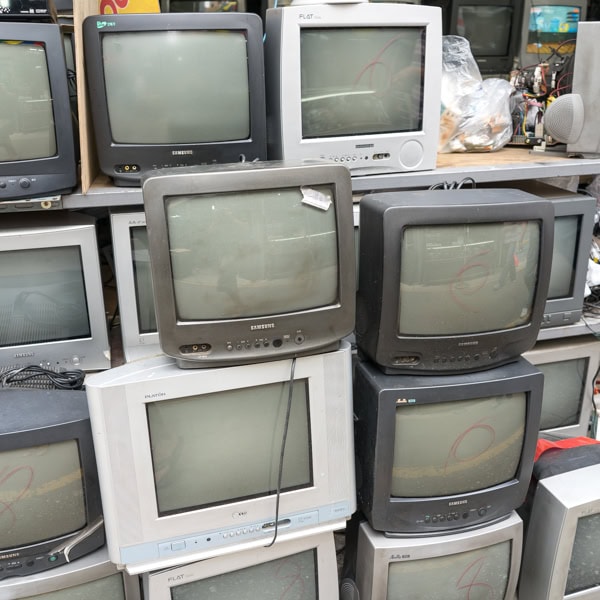
Although the market became smaller after redevelopment and the Cheonggyecheon restoration project, many secondhand shops remain in Hwanghak-dong today.
The area feels more cluttered and less polished than Dongmyo, with small shops and sidewalk displays of tools, old cameras, kitchenware, appliances, records, clocks, and other secondhand goods. In some places, items are laid out on the ground or displayed on metal tables, while other shops are packed with goods and can take longer to look through. The hunt is part of the appeal, especially if you enjoy looking for unusual finds.


Bring cash if you plan to buy something, especially at smaller shops or outdoor stalls. Prices are not always marked, so ask first and check a few places before buying. Many items are old or used, so check for damage and make sure cameras, appliances, or tools still work before buying.
You may also hear some bargaining between shop owners and customers, something that feels less common in many Seoul markets today. If you try bargaining, keep it polite and friendly.
Even if you do not plan on buying anything, the market is still worth walking through. Old signs, crowded shopfronts, and secondhand goods set out on the sidewalk make the area feel worlds away from Dongdaemun’s modern shopping malls, even though they are only a short walk away.
The surrounding streets also have several old-school Korean restaurants, often called nopo. Many have been around for decades and serve simple Korean dishes.
Hwanghak-dong Flea Market Information
Hours
Generally 8:00 AM – 6:30 PM; hours vary by individual shop and stall
Admission
Free
Address
11-7 Majang-ro 5-gil, Jung-gu, Seoul
GPS Coordinates: 37.568205,127.017852
How to Get Here
Take Subway Line 2 or Line 6 to Singdang Station (Exit 2).
Continue for 3 minutes towards Hwanghak-dong Office to reach the market.
Hwanghak-dong Flea Market Video
Map
Additional Resources
Klook
Klook offers discounted tickets and reservations for attractions and services in Seoul, from theme parks and museums to tours and transportation.
Viator by TripAdvisor
Book tours, activities, and unique experiences in Seoul, from sightseeing to cultural events and outdoor adventures, offered by local providers.
Rakuten
Save with cashback on hotels and travel services. Sign up and you could earn $30 cashback on your first purchase over $30.
Book Recommendations
Prefer a physical guide? Fodor’s Seoul offers detailed recommendations, maps, and travel tips for the city.
Nearby Sights
Seoul Central Market
Seoul Central Market, also known as Seoul Jungang Market, is a traditional market located east of Heunginjimun Gate (Dongdaemun) that specializes in dried fish and other seafood. The market dates back to 1957, shortly after the Korean War. With over…
Dongmyo Shrine
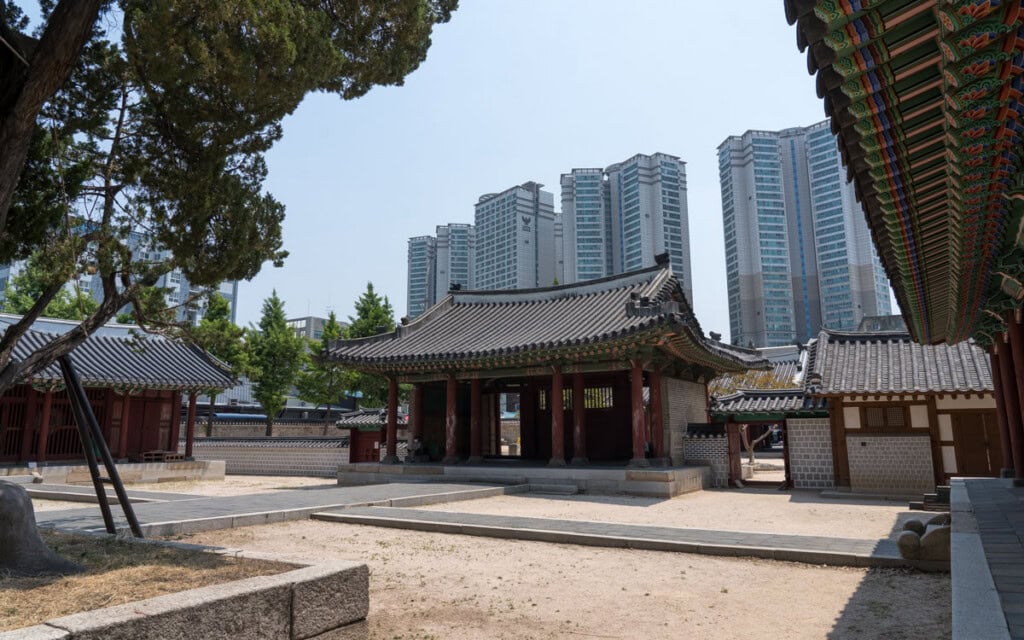
Dongmyo Shrine is a shrine where ancestral sacrifices to the Chinese military commander Guan Yu were performed. It is also known as Seoul Donggwanwangmyo, which means Gwanwangmyo in the east of Seoul. The streets around the shrine are also home…
Dongmyo Flea Market
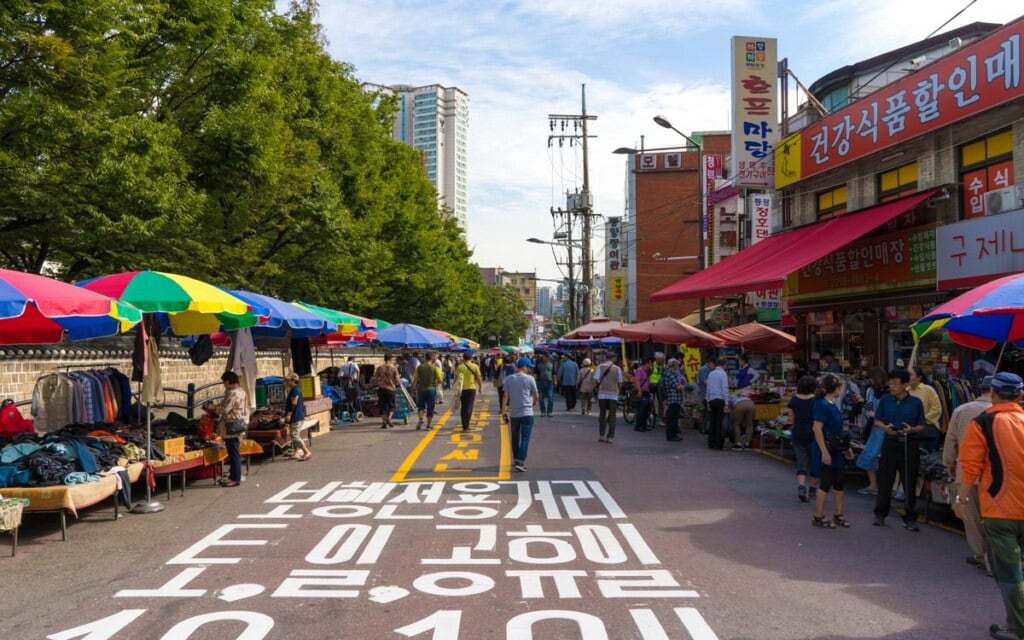
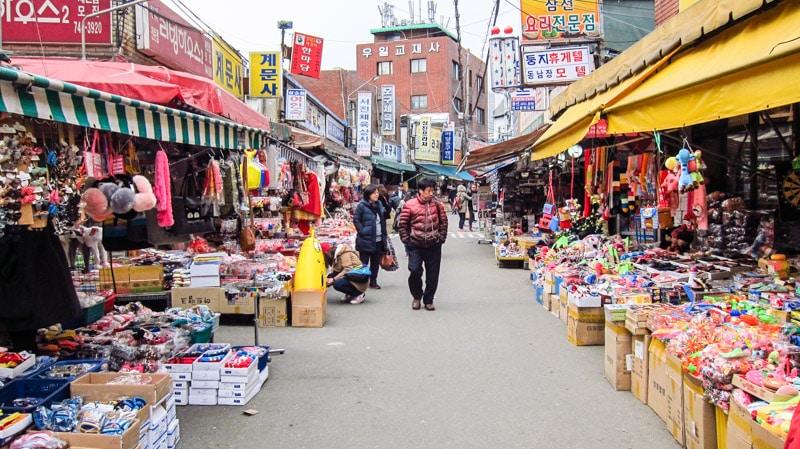
With about 600 stalls, Dongmyo Flea Market is one of Seoul’s largest flea markets and a popular place to shop for vintage clothing, antiques, secondhand goods, and hidden treasures. Located around Dongmyo Shrine, the market is known for its affordable…
Heunginjimun Gate (Dongdaemun Gate)
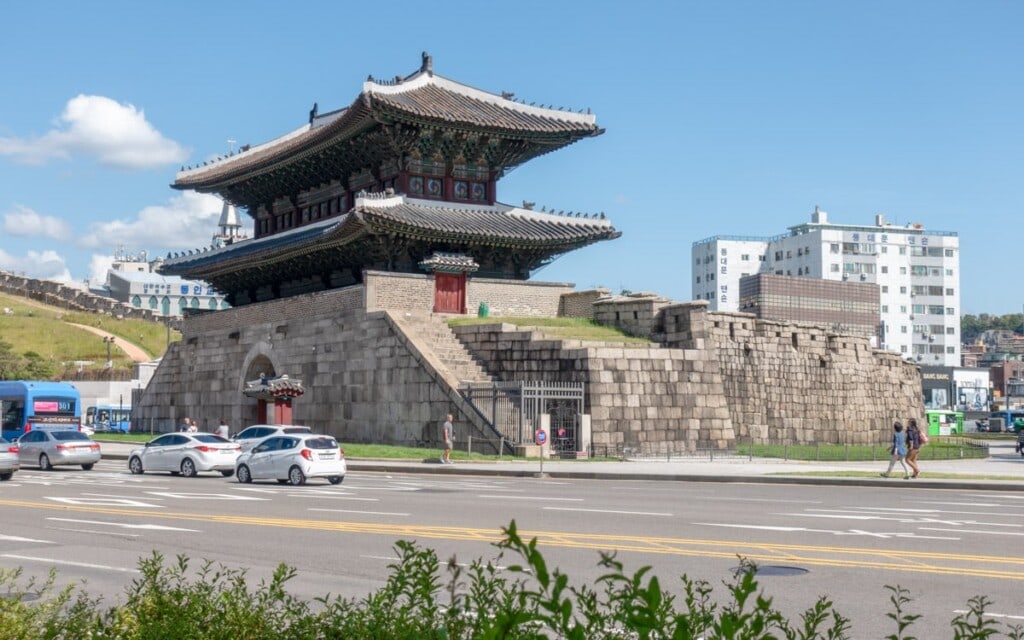
Heunginjimun Gate (Dongdaemun Gate), the historic Great East Gate on the Seoul Fortress Wall, dates back to the beginning of the Joseon Dynasty in 1398. Heunginjimun is now the oldest main gate remaining in Seoul after Sungnyemun Gate (Namdaemun Gate)…
Gwanghuimun Gate
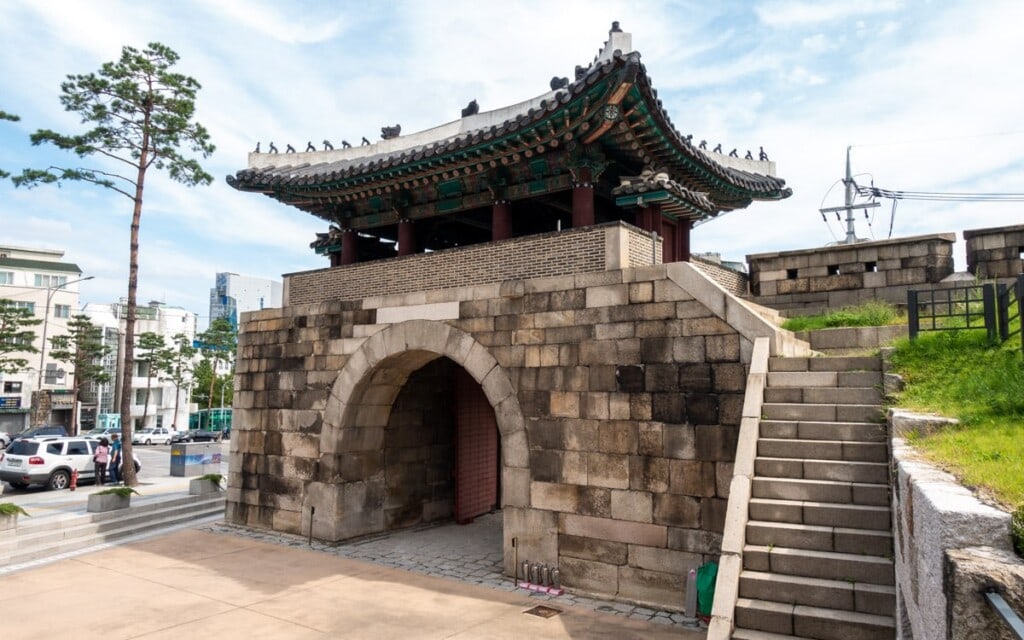
Gwanghuimun Gate, literally meaning "Bright Light Gate," is one of eight gates found on the fortress wall that surrounds the city of Seoul. Gwanghuimun is one of four small gates located along the southeast area of the fortress wall. In…
Last Updated on May 2, 2026