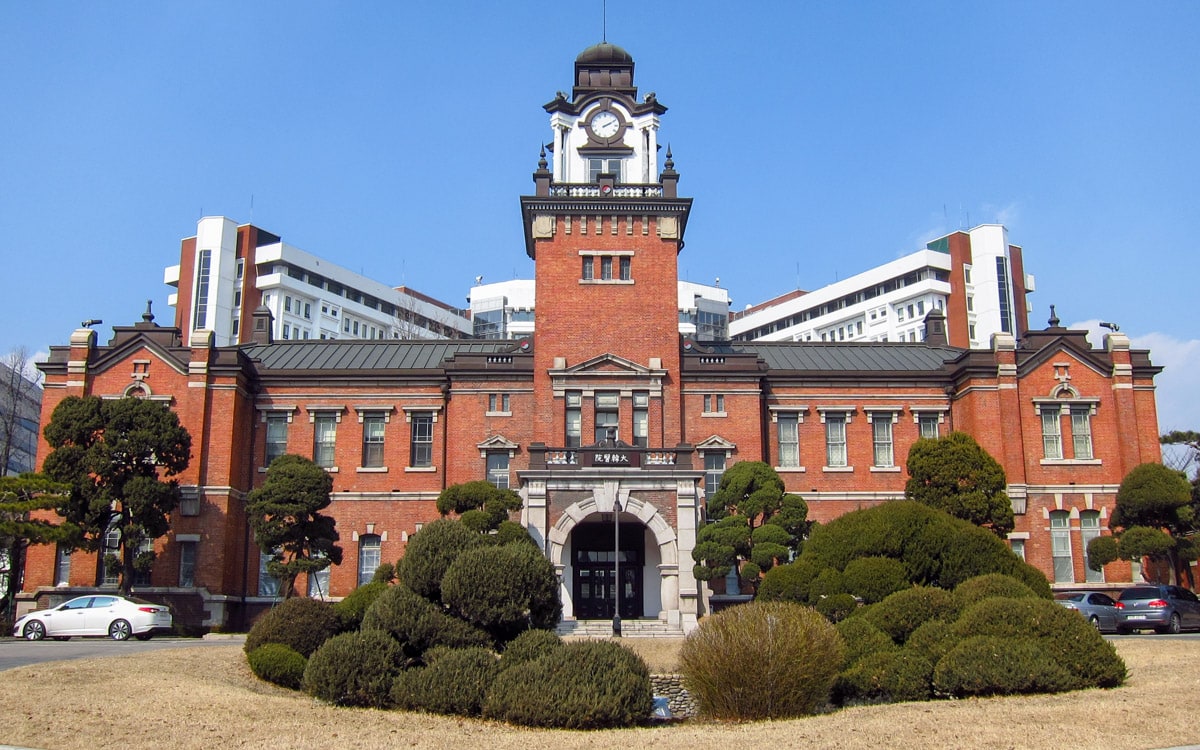
This red brick building was once the main building of Daehan Hospital, the leading medical and hygiene institution during the Great Han Empire (1897-1910). The building is now located on the grounds of the Seoul National University Hospital. In August 1906, construction on Daehan Hospital began on the site of Hamchunwon, the former outer garden of Changgyeonggung Palace.
Gwangjewon Hospital, Gyeongseong Medical School, and the Red Cross Hospital merged to form the Daehan Hospital in March 1907 during the first year of Sunjong (Emperor Yunghui). The hospital was administered by Uijeongbu (State Council).
Daehan Hospital opened in October, 1908. The main red brick building features two stories and seven wards. Auxiliary buildings in the area have since been removed.
In August 1910, the Japanese annexed Korea and the hospital became the main building of Japanese Viceroyalty Hospital. In 1928, the main building became part of the Keijō Imperial University. The building was returned to the Koreans and Seoul National University after the liberation of Korea in 1945.
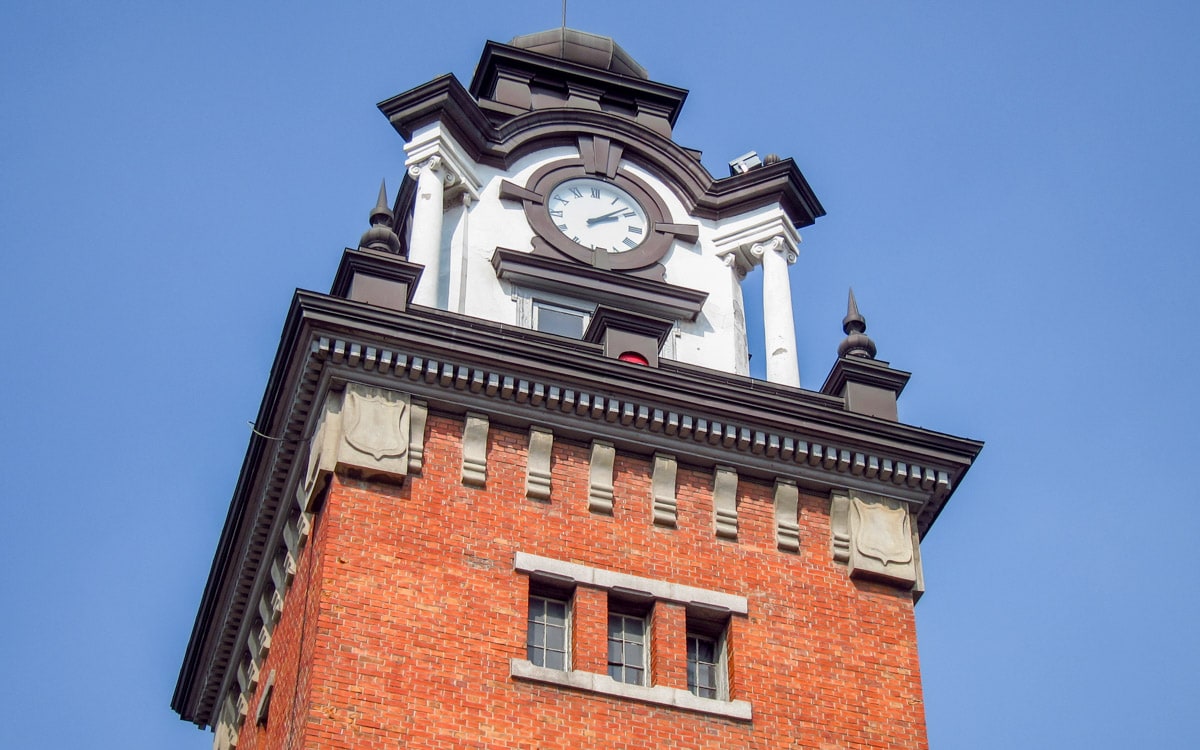
The main building is a mixture of architectural styles from the West and East. During this period, Western architectural styles were just starting to make their way into Korea. Western influences include the Neo-Baroque style clock tower and Renaissance style red bricks.
Inside the building is a corridor with rooms on each side. The original wooden staircases still remain. The main entrance features a large arch which allowed cars to pass through.
Today, the building now houses a museum of the history of Korean medicine.
Daehan Hospital Information
Admission
Free
Address
Seoul, South Korea
GPS Coordinates: 37.578486,126.998976
How to Get Here
Take Subway Line 4 to Hyehwa (Exit 3).
Continue 160 meters and turn right at the street for Seoul National University Hospital
Continue 260 meters to reach an intersection.
The hospital will be across the intersection on the right.
Map
Additional Resources
Klook
Klook offers discounted tickets and reservations for attractions and services in Seoul—from theme parks and museums to tours and transportation.
Viator by TripAdvisor
Book tours, activities, and unique experiences in Seoul—from sightseeing to cultural events and outdoor adventures—offered by local providers.
Rakuten
Save with cashback on hotels and travel services. Sign up and you could earn $30 cashback on your first purchase over $30.
Book Recommendations
Prefer a physical guide? Fodor’s Seoul offers detailed recommendations, maps, and travel tips for the city.
Nearby Sights
Changgyeonggung Palace
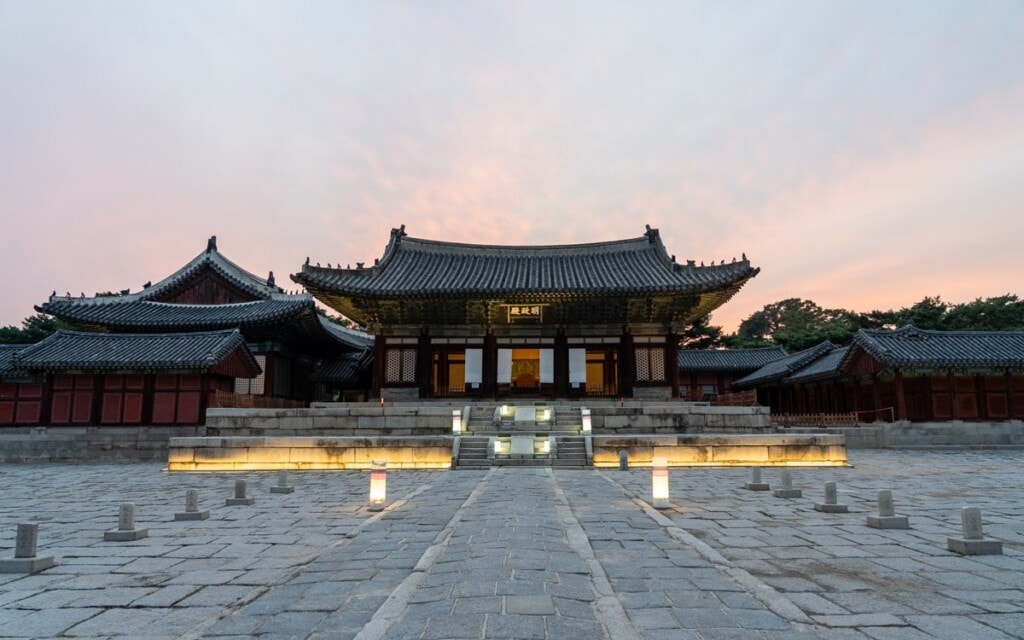
Changgyeonggung Palace, located in the heart of Seoul, has been used as a royal residence and and as a secondary palace for queens and the king's father. A summer palace known as Sunganggung was first built at this location in…
Marronnier Park
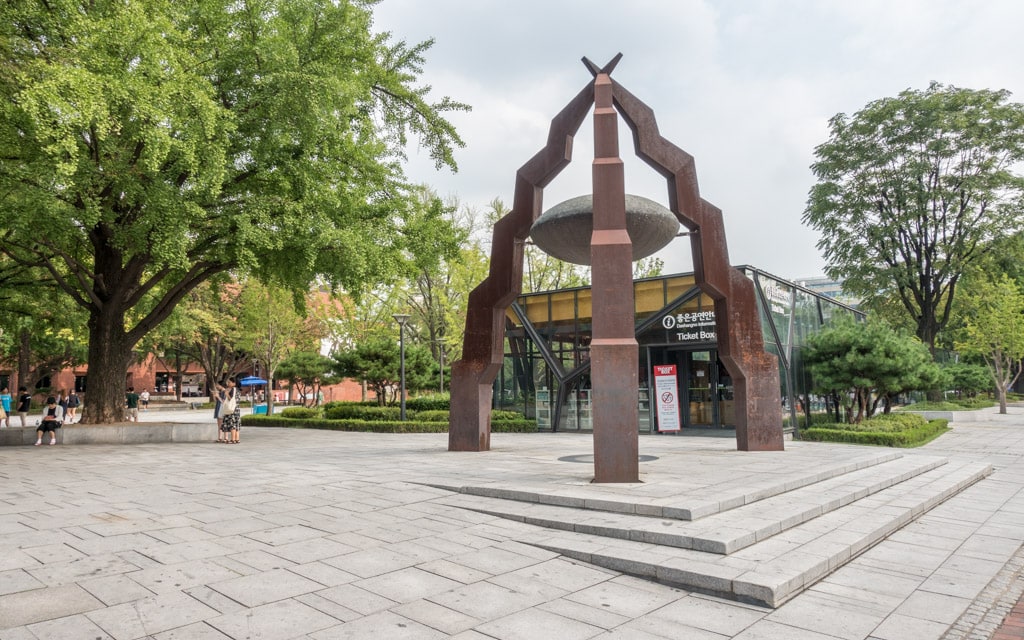
Marronnier Park is a park located in the Daehangno district of Seoul named after the large marronnier (chestnut tree) growing in the center of the park. The Marronnier tree originates from Italy and France in the Mediterranean where in the…
National Children's Science Center
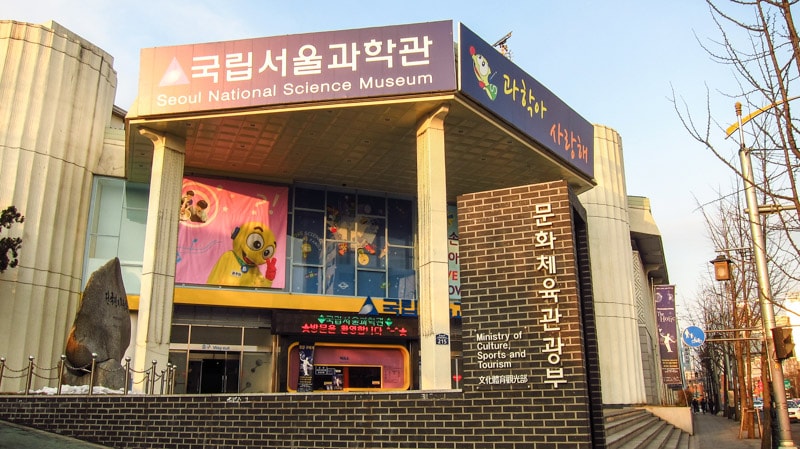
Just north of the main gate of Changgyeonggung Palace is National Children's Science Center which features interesting exhibits for both children and adults. This museum was formerly known as the Seoul National Science Museum. The museum which is often missed…
Lock Museum
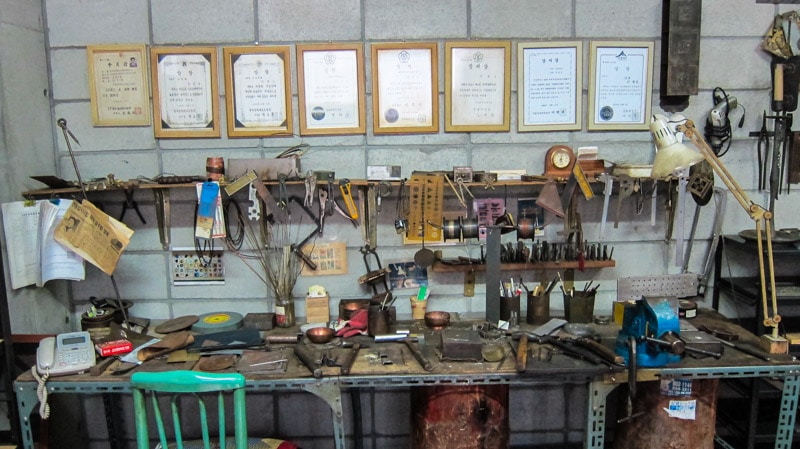
The Lock Museum displays antique locks, keys, and furniture from Korea and all over the world and conserves this disappearing art for future generations. The museum, which features over 4,000 different types of locks, is located in the district of…
Daehangno (College Street)
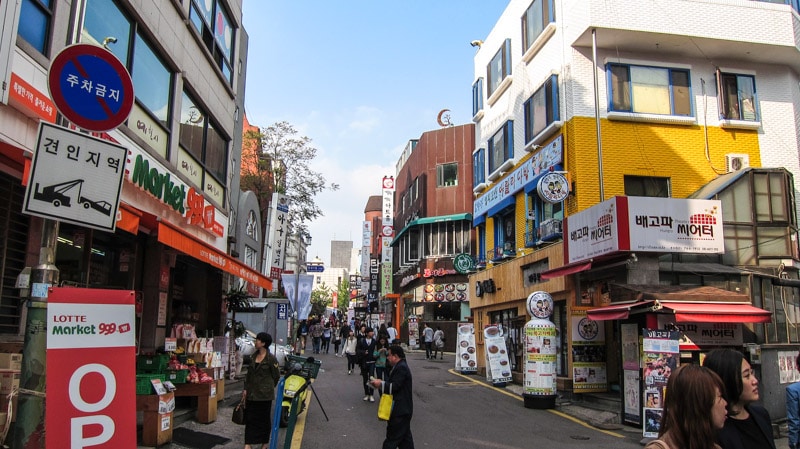
Daehangno, also known as College or University Street, is a popular youth culture area that is lined with small theaters. Seoul National University was once located here. This lively and youthful area is a great place to catch a show,…
Huwon Secret Garden
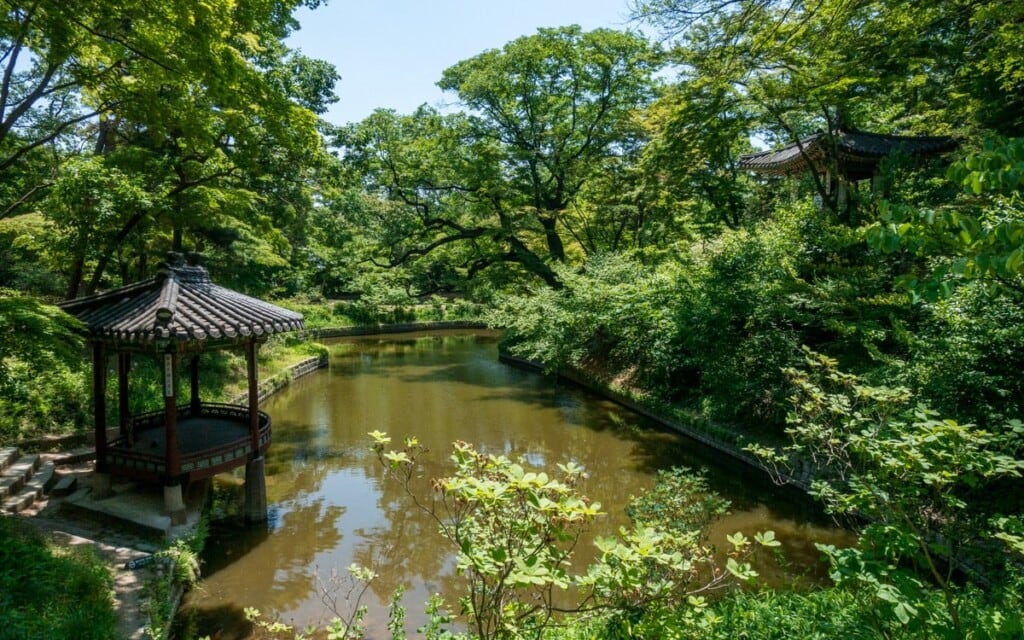
Huwon Secret Garden is a rear garden at Changdeokgung Palace that flows naturally with nature and was used as a place of leisure by members of the royal family. The garden, which has also been known as Bukwon, Geumwon, and…
Last Updated on Dec 22, 2025