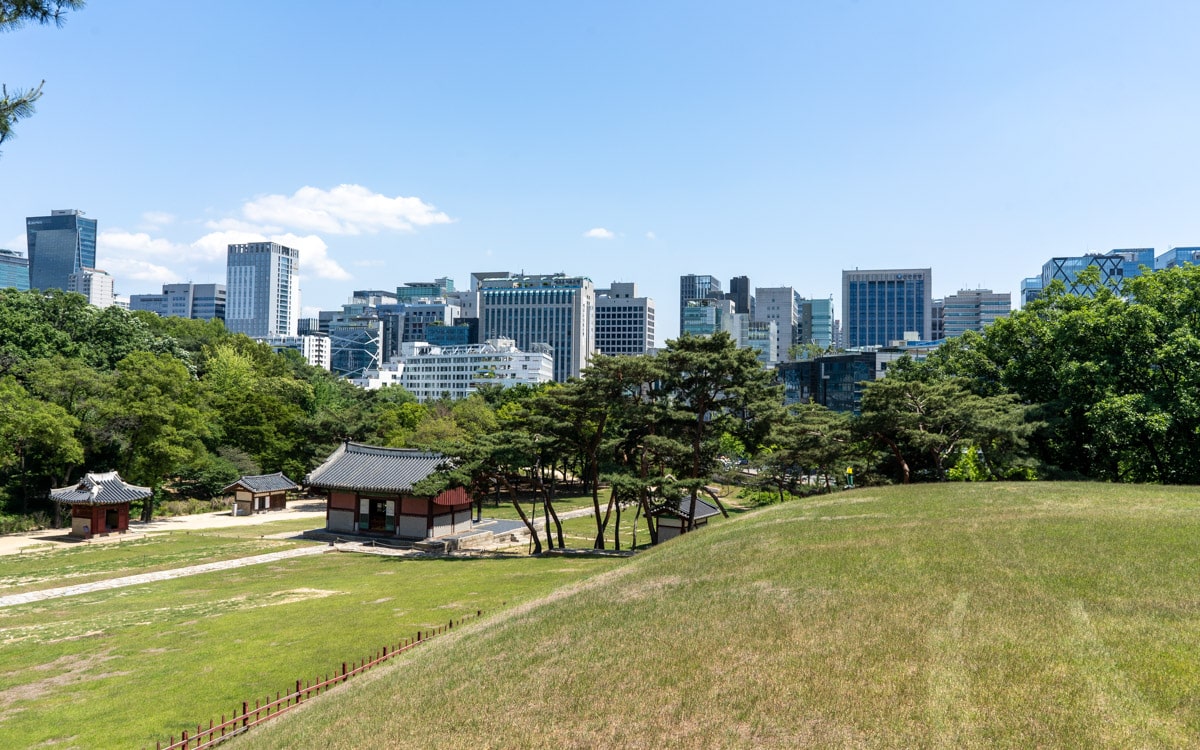
Seolleung and Jeongneung, also known as Seonjeongneung, is the name given to two royal tombs. These tombs are the burial sites of King Seongjong and King Jungjong. Seonjeongneung is surrounded by modern buildings in the middle of the city in the upscale district of Gangnam.
Seolleung Royal Tomb
Seolleung is the burial site of King Seongjong (1457–1494) and his second wife, Queen Jeonghyeon (1462-1530). Memorial rites are held every December 24th for Seongjong and every August 22nd for Jeonghyeon. Seongjong was interred in 1495 while Jeonghyeon was buried on an adjacent hill in 1530.
Seolleung is the location of two royal tombs. One is of King Seongjong (1457–1494) and another is for his second wife, Queen Jeonghyeon (1462-1530). The burial mound of King Seongjong lies to west of the mound of Queen Jeonghyeon.
Tomb of King Seongjong
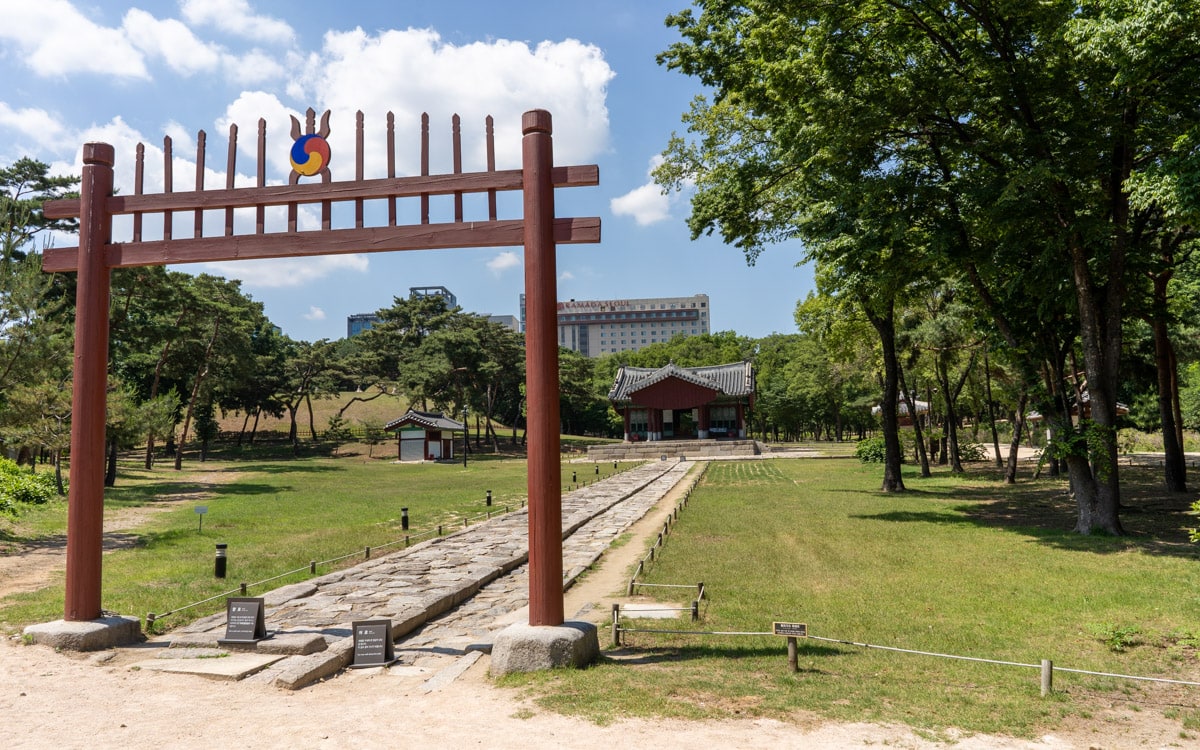
The layout of the tomb is similar to others. A red spiked gate, known as hongsalmun, leads by stone walkway to a T-shaped shrine known as Jeongjagak. The stone walkway has two roads, a higher road for the spirits and a lower road for the king.
Seongjong succeed King Yejong and became king in 1469 at the age of 12. His grandmother, Queen Jeonghee, and mother, Queen Insu, ruled Korea until he turned 20 in 1476. At this age, he began to rule the country.
The country enjoyed peace, prosperity, and economic growth during his 25 year reign. He encourage learning for the ordinary citizen and pushed for the publishing of books on topics such as geography social etiquette.
A code of law known as Gyeonggukdaejeon (Grand Code of State Administration) was completed and proclaimed in 1485 during the 16th year of his reign. This code of law was based on over 500 years of Joseon Dynasty politics.
Queen Gonghye, the first wife of Seongjong, died at a young age in 1474 without having any children.
His second wife was Lady Yun. They had one son who was born in 1476 who became succeed his father and became king in 1494. His was known as King Yeonsangun. Lady Yun was deposed of after causing trouble inside the royal court.
Queen Jeonghyeon was the third wife of Seongjong. They had two daughters and one son. The son, born Yi Yeok, went on to become King Jungjong. Both are buried here at Seonjeongneung.
King Seongjong was interred here in 1495. Memorial rites are held every December 24.
Tomb of Queen Jeonghyeon
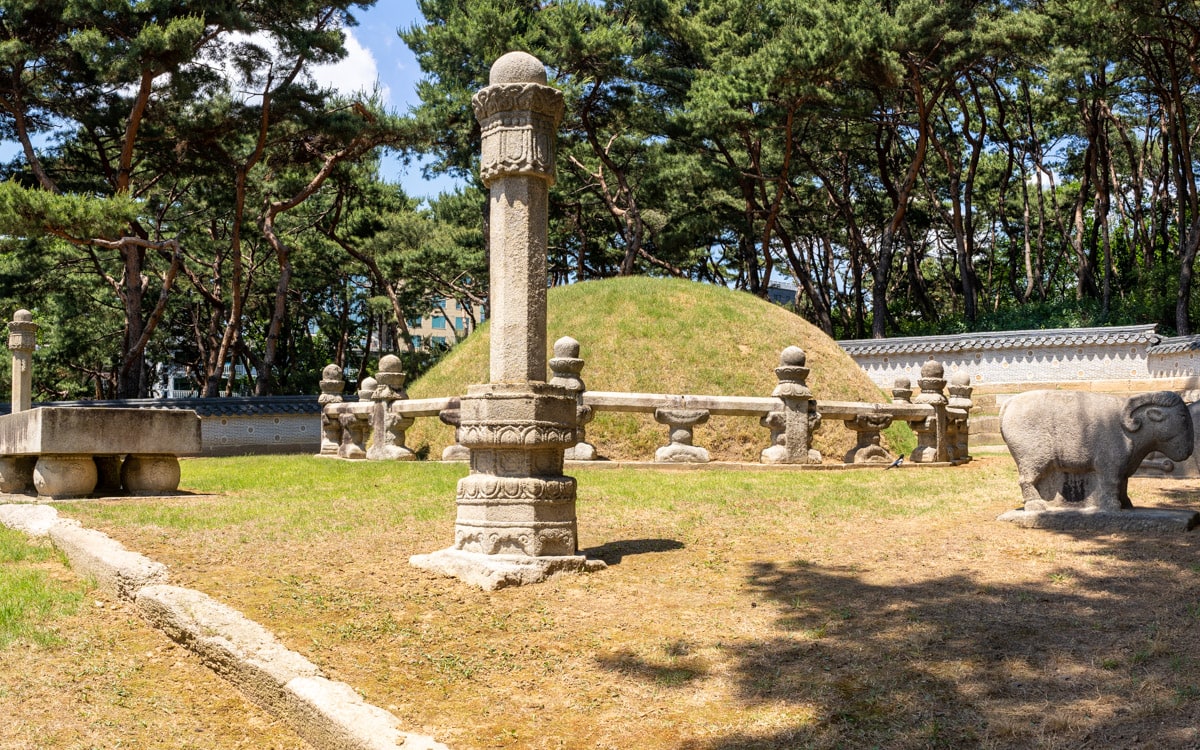
Queen Jeonghyeon was the third wife of King Seongjong. She was born Yoon Chang-nyeon in 1462 and was the daughter of Third State Councilor Yeongwon Buwongun.
She was promoted from combine to queen at the age of 17 in 1480. This was after the disposal of Lady Yun.
Queen Jeonghyeon gave birth to one son who went on to become King Jungjong.
She died in 1530 at the age of 68.
Queen Jeonghyeon was interred here in 1530. Memorial rites are held every August 22.
Jeongneung Royal Tomb
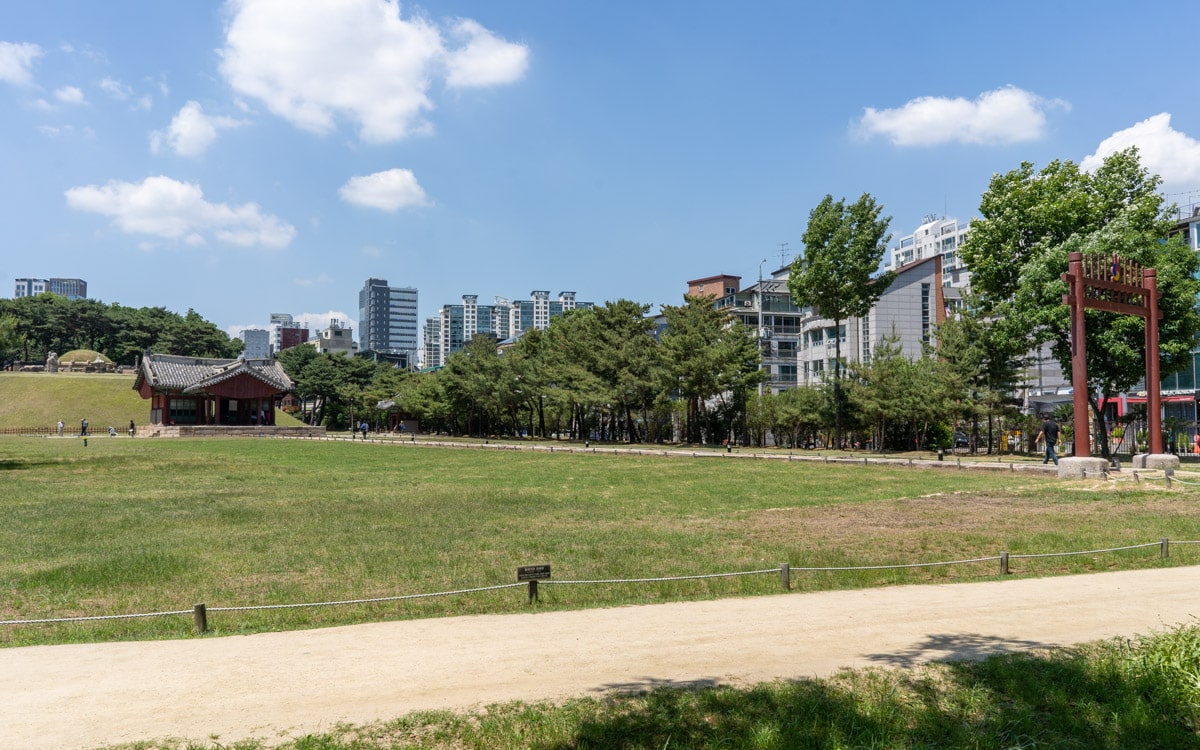
Jeongneung is the royal tomb of King Jungjong (1488-1544), second son of King Seongjong and Queen Jeonghyeon, who are buried nearby at Seolleung and Jeongneung (Seonjeongneung) Royal Tombs.
Jungjong was born Yi Yeok on April 16, 1488. He ascended to the throne to become the eleventh Joseon king at the age of 18 in 1506. He became king after his older half brother, King Yeonsangun, was ousted from the throne during a coup caused by tyrannical misrule.
In the first few years of his reign he reopened Seonggyungwan royal university and the Office of Censors. Jeongneung’s power was limited by those who put him in power. Once they died, Jungjong began to extend his royal authority including attempting to strengthen royal authority.
After his death in 1544, Jeongneung was buried northwest of Seoul at Huireung (Seosamneung Royal Tomb). He was interned next to his second wife, Queen Janggyeong. In 1562, his third wife, Queen Munjeong moved the tomb to the present site seen today which was seen as more propitious.
Munjeong wanted to be buried next to Jeongneung, but failed in her efforts. She is now buried alone at Taereung and Gangneung Royal Tombs in northeast Seoul.
Queen Dangyeong, the first wife of Jeongneung, was deposed and killed during the coup that led to his accession to the throne. She was reinstated during the reign of King Yeongjo and is buried at Olleung.
Stone figures that surround the tomb are 3 meters (9.8 feet) tall.
Rites for Jungjong are held every December 9th.
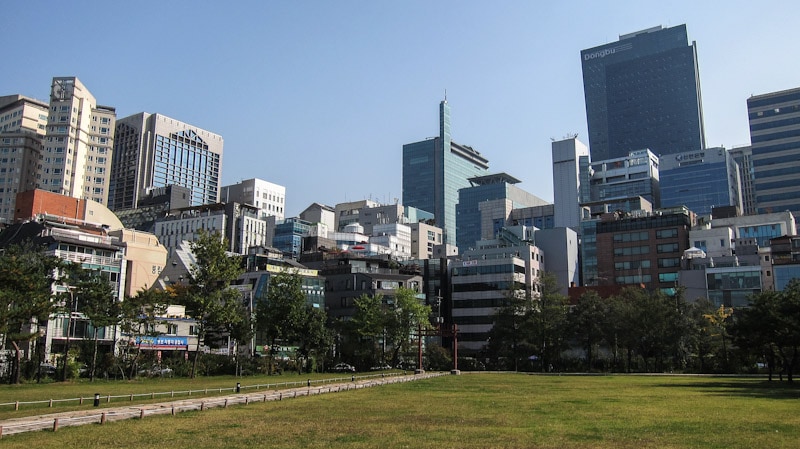
Seolleung and Jeongneung (Seonjeongneung) Royal Tombs Information
Hours
March-October : 6:00-21:00
November-February : 06:30-21:00
Last admission is at 20:00
Admission
Adults (19-64) : 1,000 won
Children (7-18) : 500 won
How to Get Here
Take Subway Line 2 or Bundang Line to Seolleung Station (Exit 8).
Continue for 280 meters to Seolleung-ro 100-gil and turn right.
Continue 60 meters to reach the entrance on the left.
Map
Additional Resources
Klook
Klook offers discounted tickets and reservations for attractions and services in Seoul, from theme parks and museums to tours and transportation.
Viator by TripAdvisor
Book tours, activities, and unique experiences in Seoul, from sightseeing to cultural events and outdoor adventures, offered by local providers.
Rakuten
Save with cashback on hotels and travel services. Sign up and you could earn $30 cashback on your first purchase over $30.
Book Recommendations
Prefer a physical guide? Fodor’s Seoul offers detailed recommendations, maps, and travel tips for the city.
Nearby Sights
COEX Aquarium
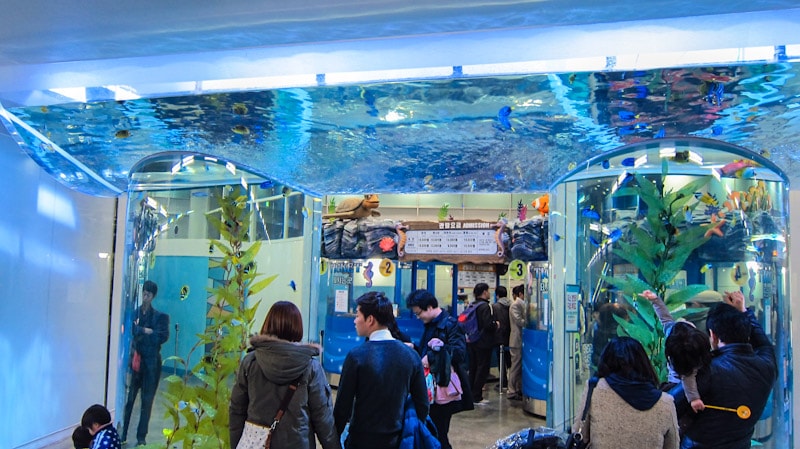
COEX Aquarium, inside COEX Mall in Gangnam, is one of the largest aquariums in Korea featuring thousands of fish and sea creatures in 90 different tanks. Visitors to the aquarium, located in the basement of the mall, will be surprised…
Museum Kimchikan
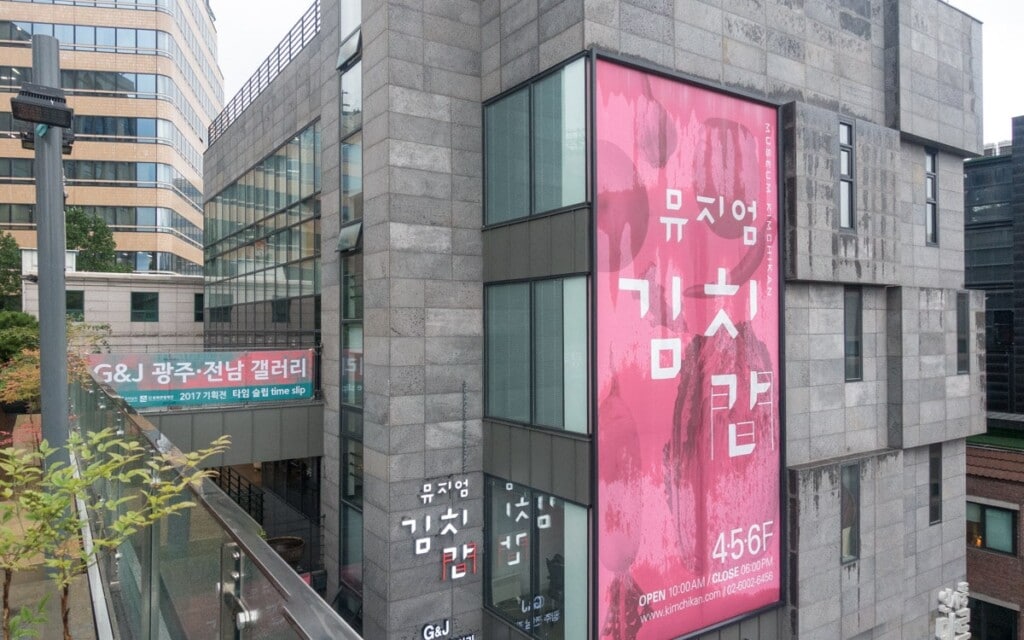
Museum Kimchikan, located in Insa-dong, features everything kimchi from its history to the many methods of making this popular fermented Korean dish. The museum was first established as the Pulmuone Kimchi Field Museum in 1986 as a way to promote…
Starfield COEX Mall
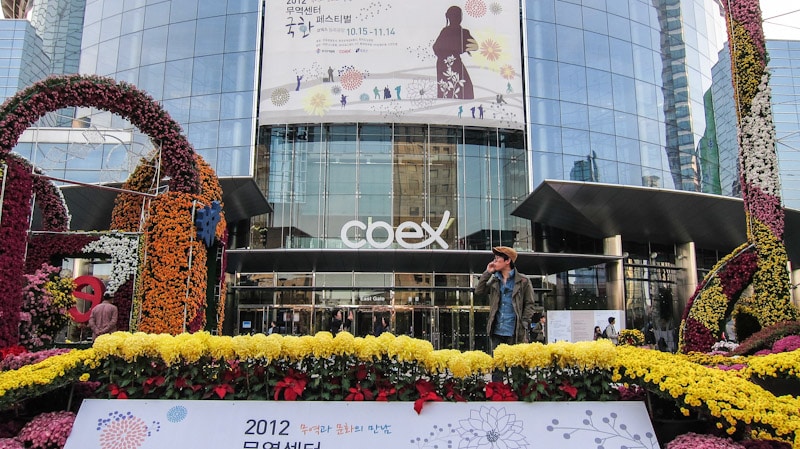
The Starfield COEX Mall is a large underground shopping center located south of the Han river in the World Trade Center Seoul complex in the Samseong-dong neighborhood. At over 85,000 square meters (914,000 square feet) it is the largest underground…
Bongeunsa Temple
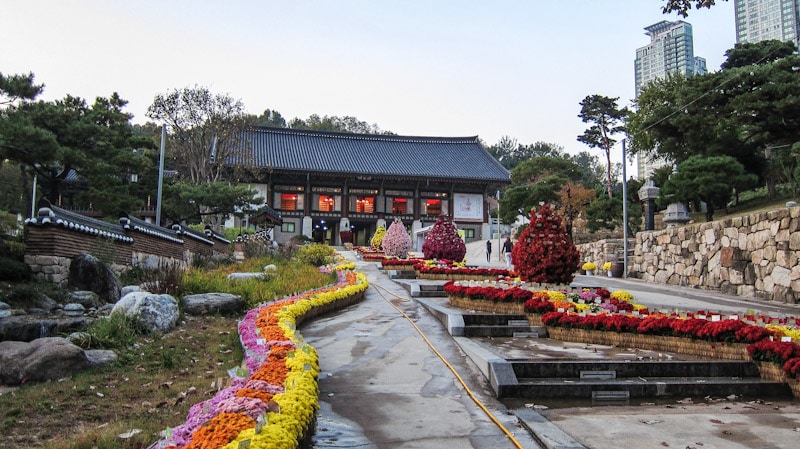
Bongeunsa Temple is a Buddhist temple that dates back to 794 located south of the Hangang River and just north of the Starfield COEX Mall in Gangnam-gu. It was originally known as Gyeonseongsa when first built. This was during the…
Jamsil Baseball Stadium
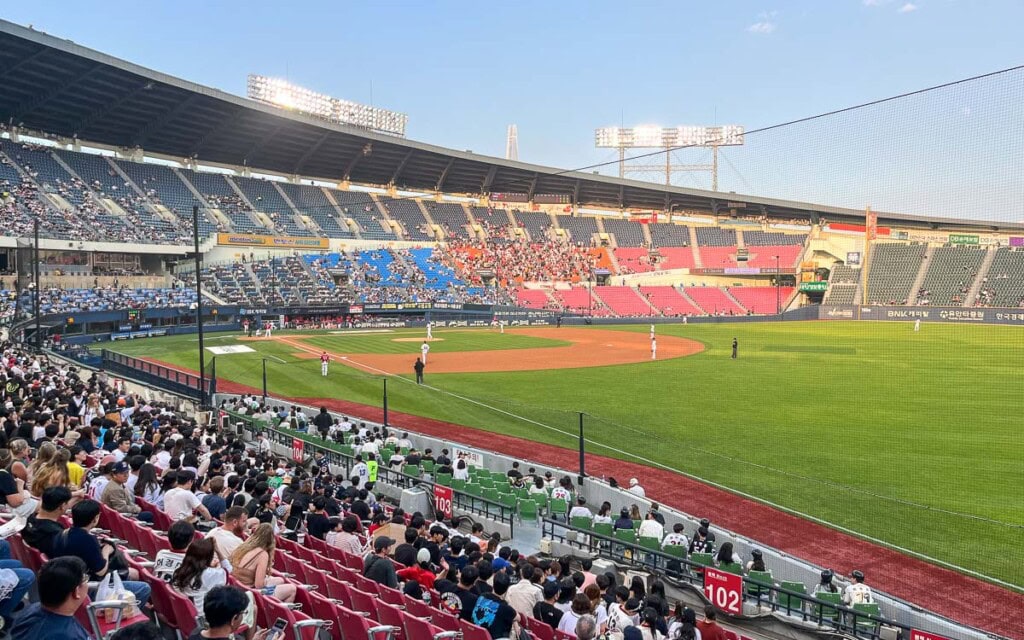
Jamsil Baseball Stadium is a baseball stadium in the Songpa District of Seoul, Korea. It is the home of the Doosan Bears and LG Twins. The stadium and the nearby Seoul Olympic Stadium are part of the Seoul Sports Complex.…
Dosan Park
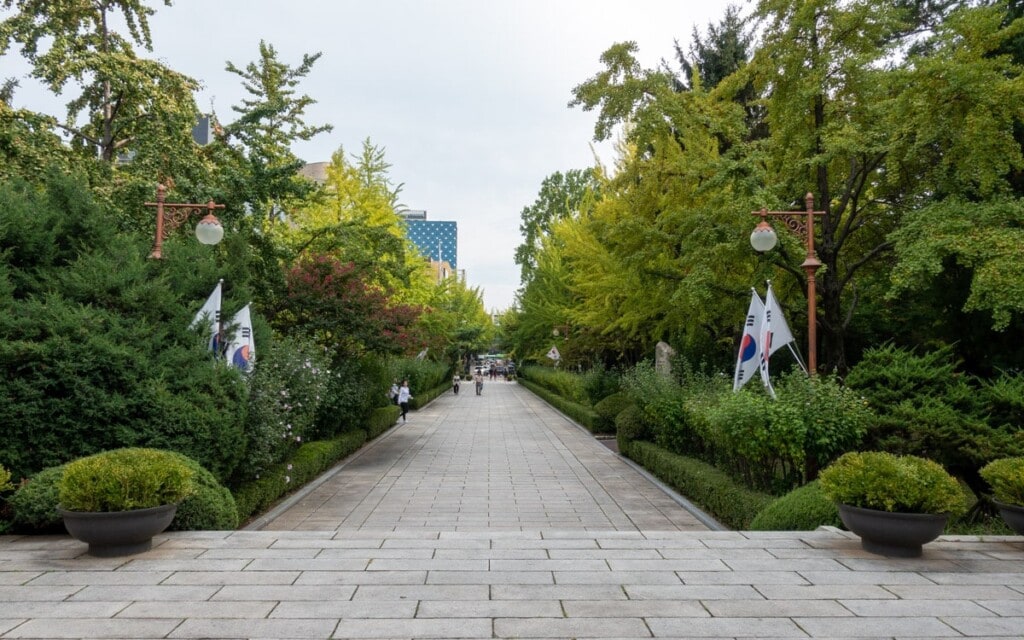
Dosan Park is a park and memorial dedicated to the life and achievements of independence activist An Chang-ho, who also went by the pen name Dosan. The park first opened in 1973 in Sinsadong. It covers 29,974 square meters (322,637…
Last Updated on Feb 6, 2026