Seafood shopping, overnight auctions, and restaurants in Noryangjin
Noryangjin Fisheries Wholesale Market, also known as Noryangjin Fish Market
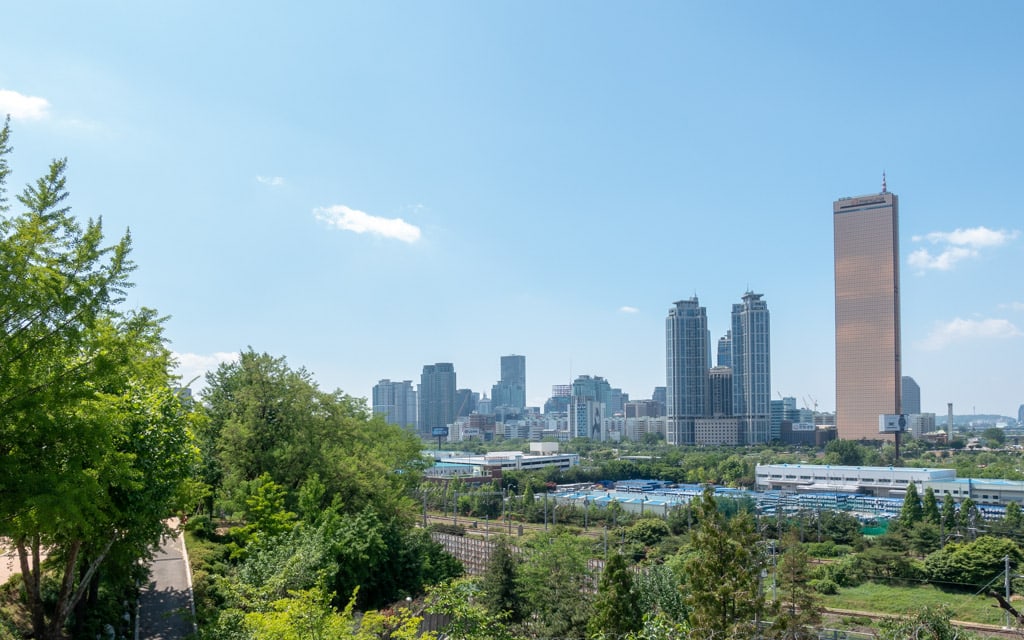
Noryangjin Fisheries Wholesale Market, also known as Noryangjin Fish Market, is a large and vibrant fish and seafood center located in the Noryangjin-dong neighborhood near 63 Square (63 Building) and Hangang River. Parts of the market are open 24 hours a day, but individual stalls and restaurants keep their own hours.
If it swims in the ocean and it’s edible, chances are you will find it for sale here by some 700 vendors. You can see the fresh catch of the day before it ends up on the tables of restaurants throughout Seoul.
The market dates back to 1927 when it was located in downtown Seoul near Seoul Station. In 1971, it relocated to Noryangjin, south of the Hangang River. The current market building opened in March 2016, with seafood shops and restaurants spread across several floors.
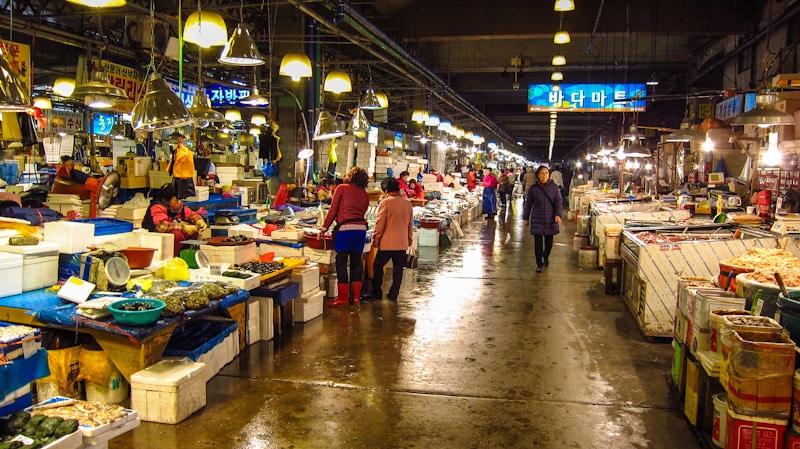
The joy of this bustling area is simply wandering around the soggy concrete from stall to stall discovering bubbling tanks full of all sorts of strange creatures that you may have never seen before. In these tanks you will find fresh fish, octopus, lobster, clams, salmon, tuna, prawns (shrimp), mussels, stingrays, halibut, mackerel, anchovies, blue crabs, and much more. You can also find more rare varieties of seafood such as snow crabs and sea snails.
If you arrive early enough, you can witness the busiest and noisiest hours of the market. Auctions begin between midnight and 3:00 AM depending on the type of seafood, with live-fish auctions starting at 3:00 AM. There are no regular auctions on Sundays. Lunch or dinner is a more convenient choice if you mainly want to shop and eat.
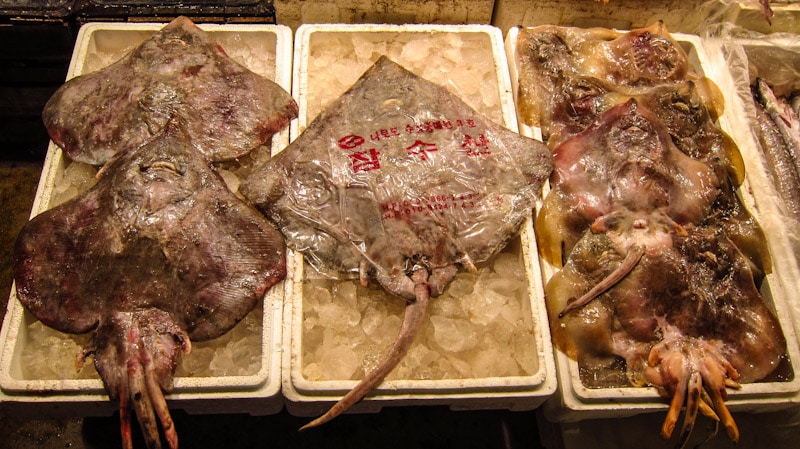
Not every day do you see stingrays for sale
One of the most interesting types of marine life found here is the sea cucumber. These strange plump looking creatures wiggle and look anything but edible with their slimy exterior. Sea cucumber is often served raw in slices. This one is definitely for the brave. If you can eat this, you can eat just about anything.
Fresh crab on display
If you are hungry and want to experience one of the freshest meals of your life, you can purchase seafood and have it prepared at one of the restaurants on the second or fifth floor. You pay the seafood seller and restaurant separately. Ask about the table-setting and cooking charges before you buy, since the seafood price does not include every part of the meal. Add a bottle of soju or three, and you will have one of the best and most memorable breakfasts you could possibly have anywhere in the world.
Sea cucumber not your thing? Then give salmon a try, some of the freshest you can findSeafood vendors and their stalls in the former market building
If you prefer your seafood cooked, ask the restaurant about its cooking options. You can also order maeuntang, a hot and spicy soup made with seafood and fish bones, for an additional charge.
One restaurant that specializes in raw fish, crab soups, and maeuntang is Busan Ilbeonji. Ask for the current menu and confirm which banchan (side dishes) and preparation charges are included in your order.
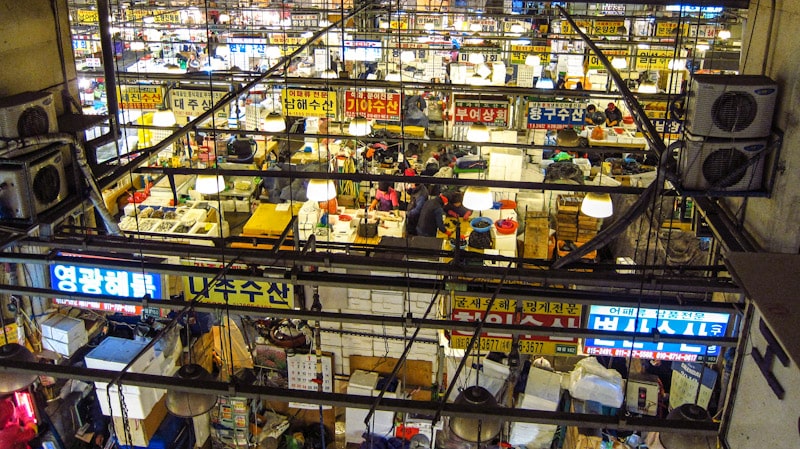
A view of the former market building from above
Though this is a busy facility, seafood sellers are quite friendly to tourists, even though the market is off the beaten path for most tourists.
You might find it difficult and confusing trying to pick out something to eat when the seller does not speak English and you have no idea what the seafood even is. Through the use of hand gestures and calculators that show you the price, you should have no trouble purchasing fresh seafood. If the price is too much, just walk away, or pretend to walk away and see if the price is lowered.
Stalls have names and numbered selling spaces, so keep the stall details if you plan to return after comparing prices. The total cost depends on the seafood, its weight, and the restaurant charges. Odds are you will leave with a meal to remember.
Before paying, confirm whether the seafood price is per kilogram or for the whole item, and agree on the weight and total. If you plan to eat upstairs, ask the restaurant for its table-setting, cooking, and extra dish charges too.
Hours and Admission
Hours
Live and premium seafood Daily: Open 24 hours
General seafood Daily: 1:30 AM–10:00 PM
Shellfish Daily: 1:00 AM–10:00 PM
Frozen seafood Daily: 3:30 AM–10:00 PM
Dried seafood Daily: 11:00 PM–7:00 PM the following day
Salted seafood Daily: 3:00 AM–7:00 PM
Sales areas operate year-round. Individual stalls and restaurants may keep different hours.
Auctions start between midnight and 3:00 AM, depending on the seafood category. Auctions close on Sundays, January 1, and the Seollal and Chuseok holidays.
Admission
Free.
Seafood purchases, restaurant table-setting charges, cooking, and extra dishes are paid separately.
Getting to Noryangjin Fisheries Wholesale Market
Dongjak-gu, Seoul, on the north side of Noryangjin Station, south of the Hangang River.
Address
674 Nodeul-ro, Dongjak-gu, Seoul, South Korea 서울특별시 동작구 노들로 674 GPS Coordinates: 37.515236, 126.941373