The poet’s life and work in a former pumping station below Inwangsan Mountain.
Yun Dong-ju Literature Museum in Seoul, Korea
The Yun Dong-ju Literature Museum is dedicated to Yoon Dong-ju, one of Korea’s most beloved poets. Yoon’s extensive collection of over 100 poems, including those collected in ‘Sky, Wind, Stars, and Poem,’ was profoundly influenced and shaped by the colonial rule that prevailed during his lifetime.
Yoon composed his poetry in Korean during a period of Japanese colonial rule when Korean-language education and publishing faced increasing restrictions. And he fiercely fought to keep Korean tradition and culture alive through his poems.
His commitment to Korea, his nationalist sentiment, and his resistance through his poetry ultimately resulted in his untimely death. Despite his brief life, he left a profound impact on Korean literature.
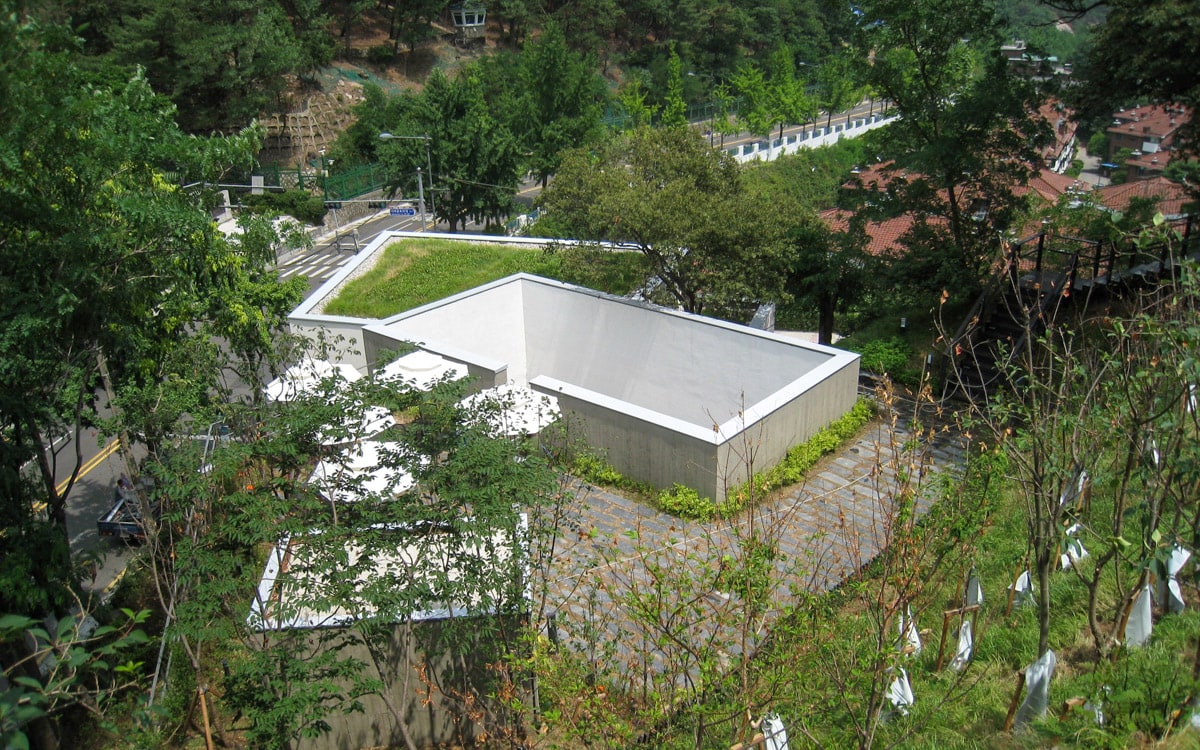
In 2012, the Yun Dong-ju Literature Museum opened in the former Cheongun Pumping Station. It is located at the base of Inwangsan Mountain in Cheongun-dong. Yoon often referenced water wells in his poems. This created a meaningful link between his verses and the pumping station, which now houses the museum.
Today, the small museum displays photographs, facsimiles of handwritten manuscripts, and objects connected to Yoon’s life and work.
The Life of Yoon Dong-ju
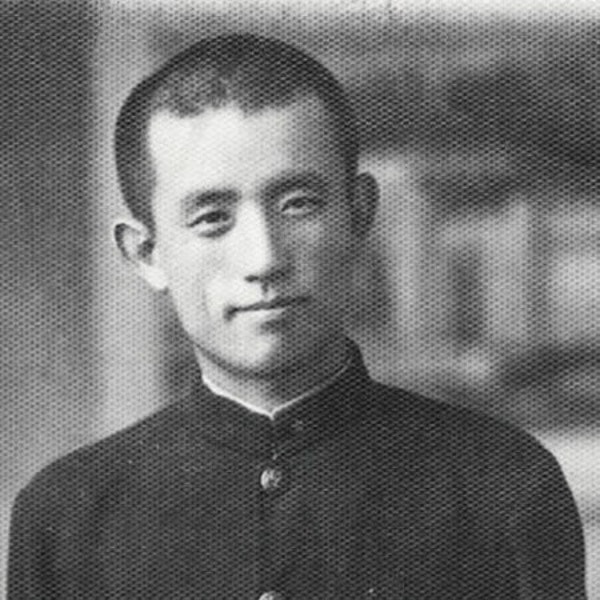
A photograph of Yoon Dong-ju
Yoon Dong-ju was born in 1917 in Longjing, China, during the period of Japanese rule over Korea. As a child, he attended Eunjin Middle School in Longjing. In 1935, he moved to Pyongyang to enroll at Soongsil Middle School, where one of his poems appeared in the school magazine. After returning to Longjing in 1936, he published children’s poems in a Catholic magazine.
In 1941, he graduated from Yonhi College (present-day Yonsei University) in Seoul. During this period, he wrote many poems that depicted his life and the harsh realities faced by citizens under colonial rule.
His most famous work is ‘Sky, Wind, Stars, and Poem,’ a poetry book containing 19 of his poems commemorating his graduation from Yonhi College. At the time, publishing a book in Korean faced severe restrictions under colonial rule. He originally intended to create 77 copies. Dissuaded, he made three handwritten copies. Today, only one copy remains.
In 1942, following his father’s advice, Yoon traveled to Japan to pursue his studies. This is where he wrote his final poems. Later, in 1943, Japanese authorities arrested Yoon on suspicion of being associated with the independence movement.
After a court sentenced him to two years in prison in 1944, authorities imprisoned Yoon at Fukuoka Prison. In 1945, Yoon passed away in prison at the age of 27 under suspicious circumstances.
Sky, Wind, Stars, and Poem
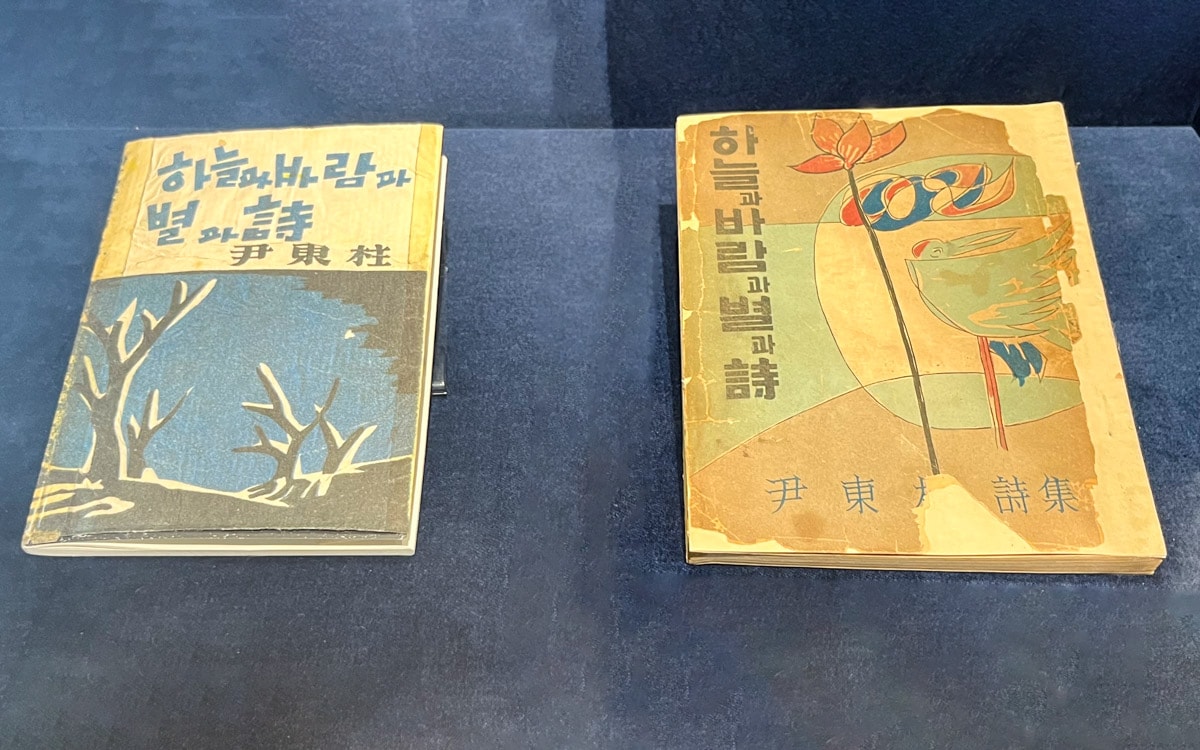
Yoon Dong-ju’s poetry book ‘Sky, Wind, Stars, and Poem’ was published posthumously in 1948. This publication fulfilled his unrealized wish through the efforts of his family and friends. The book included 31 of his poems, along with a preface by Poet Jeong Jiyong.
In 1955, admirers of Yoon Dong-ju’s poetry released an expanded edition of his book. This book contained 89 poems and four prose works, in commemoration of the 10th anniversary of his passing. Despite his short life, his works have resonated with generations of Koreans, poetry enthusiasts, and individuals who have faced adversity.
Cheongun Pumping Station
Location of Cheongun Pumping Station (Photo Credit: kocis.go.kr)
In the past, pumping stations were a common feature across Seoul. These stations pumped tap water into water tanks, with the generated pressure allowing the supply of water to high-elevation areas.
In 1974, the Cheongun Pumping Station opened at the location of the present-day museum. The station supplied water to the Cheongun Apartments at the base of Inwangsan Mountain.
In 2005, the demolition of the Cheongun Apartments made the pumping station unnecessary. As a result, residents demanded the demolition of the pumping station.
Local demands and the views of government officials differed regarding the station’s historical value and future. Luckily, the Yoon Dong-ju Poem Promotion Association, who possessed Yoon’s belongings, used the station for their meetings. Thereafter, they transformed the site into the Yun Dong-ju Literature Museum.
What to See at Yun Dong-ju Literature Museum
Poet’s Hall (Exhibition Hall 1)
Poet’s Hall (Exhibition Hall 1)
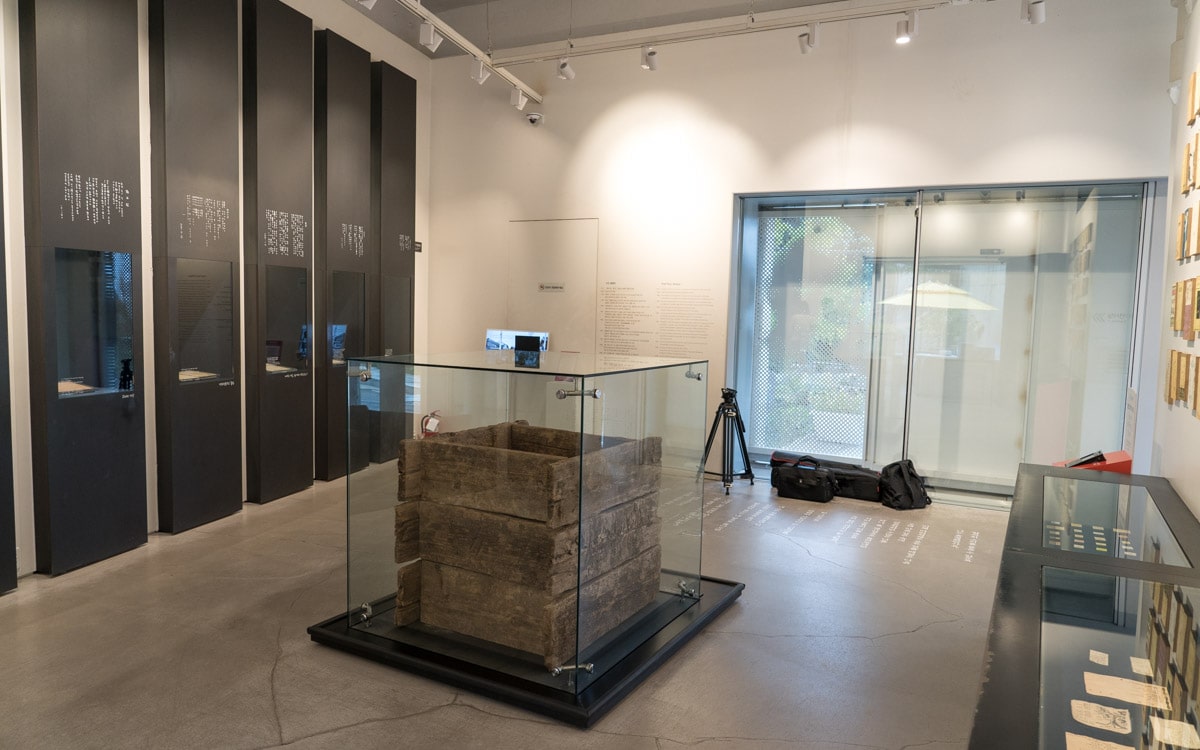
In Poet’s Hall (Exhibition Hall 1), visitors will discover a small yet inviting space dedicated to showcasing the pure poetic spirit of Yoon Dong-ju. Here, nine exhibits, arranged in chronological order, display photographs and facsimiles of handwritten manuscripts offering insights into Yoon Dong-ju’s life and work.
Copies of Sky, Wind, Stars, and Poem
Highlights of this exhibition hall include editions of Yoon Dong-ju’s poetry book ‘Sky, Wind, Stars, and Poem,’ originally published in 1948. The expanded edition containing 89 poems, published in 1955, is displayed next to it.
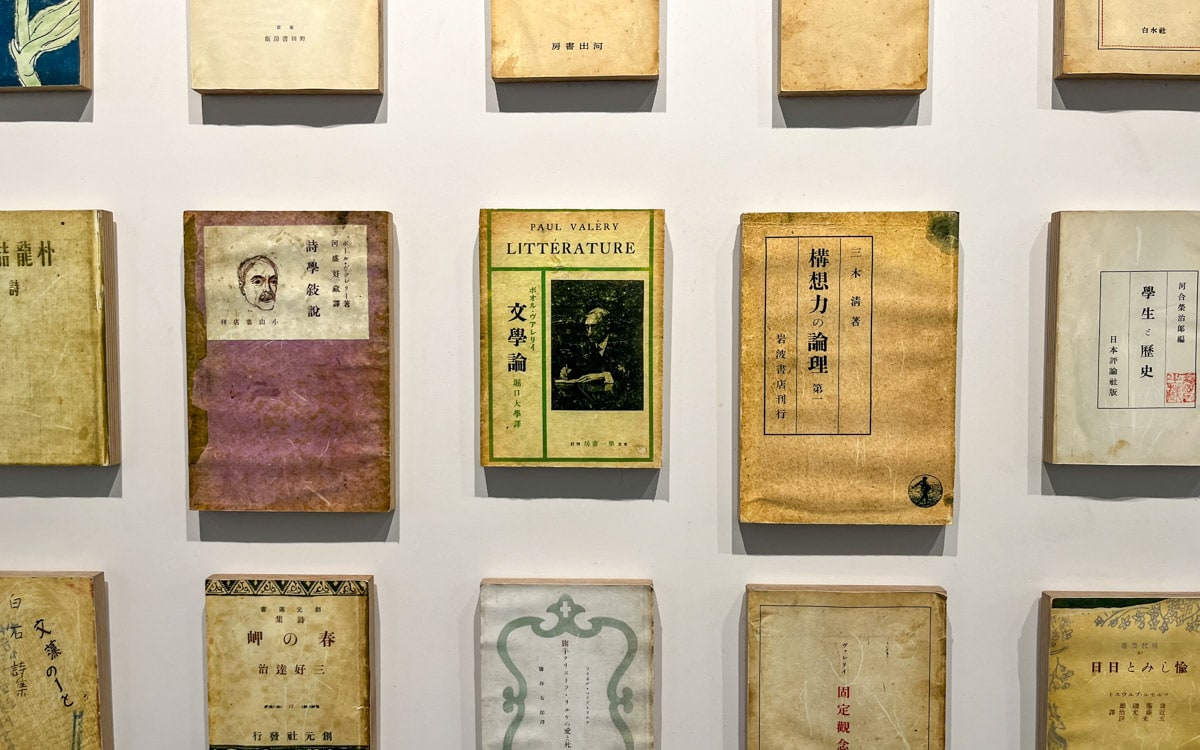
Yoon’s personal library
Hanging on the walls is a collection of Yoon’s personal library, showcasing his diverse interests and intellectual curiosity about a wide range of ideas. His collection includes classic books, philosophy, and arts from both the East and the West.
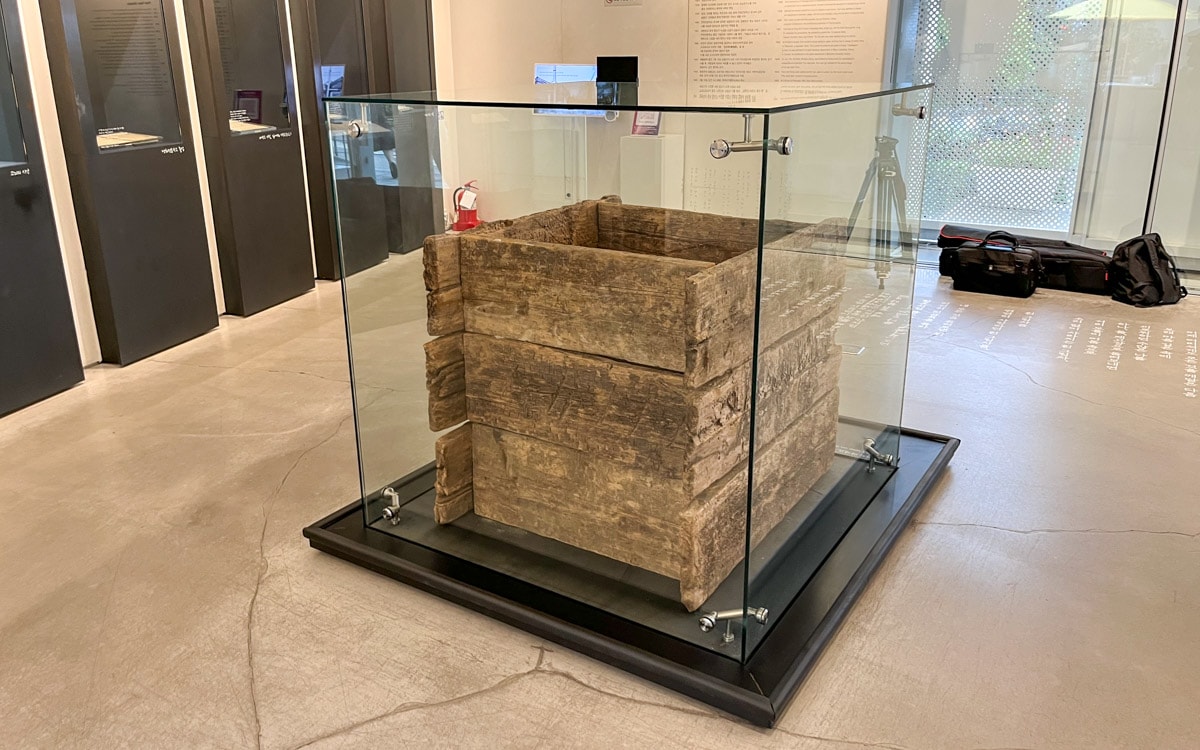
Original wooden well
At the center of the exhibition hall stands an original wooden well, composed of preserved wooden boards discovered during the restoration of a well near Yoon’s birthplace. From this well, one could see Yoon’s school and church buildings on the hill to the northeast.
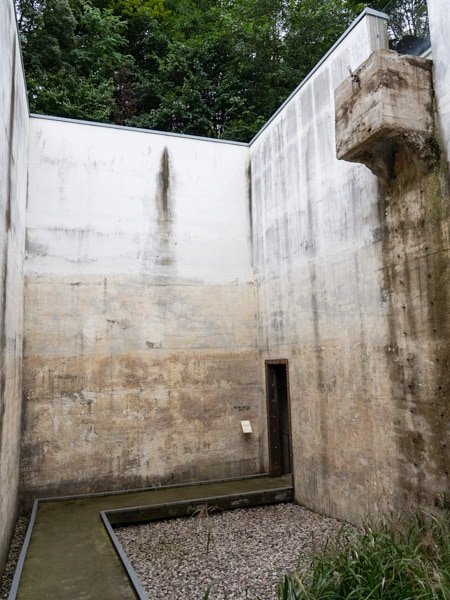
Opened Well (Exhibition Hall 2)
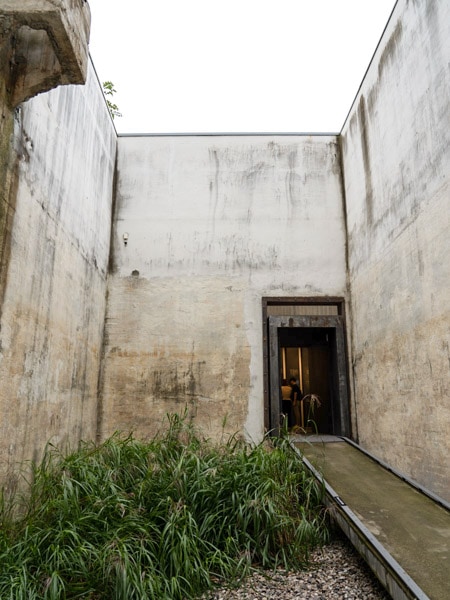
The well mentioned in Yoon’s poem “Self Portrait” serves as a motif that inspired the design of the water tank’s roof in Opened Well (Exhibition Hall 2). This design creates an open courtyard that harmonizes with the elements of the sky, wind, and stars.
A pumping station helps increase the pressure of slow-moving water, enabling it to flow more forcefully. In Yoon’s poems, he spoke of invigorating weary and tired souls, awakening them to regain strength, much like the way a pump revitalizes water. The connection between the water pump and rejuvenation makes you ponder as you explore this exhibition hall, once used as an old water tank.
Finally, the traces left by stored water on the tank’s walls remind us of the passage of time and invite reflection on the aspects of time and memory.
Closed Well (Exhibition Hall 3)
Closed Well (Exhibition Hall 3)
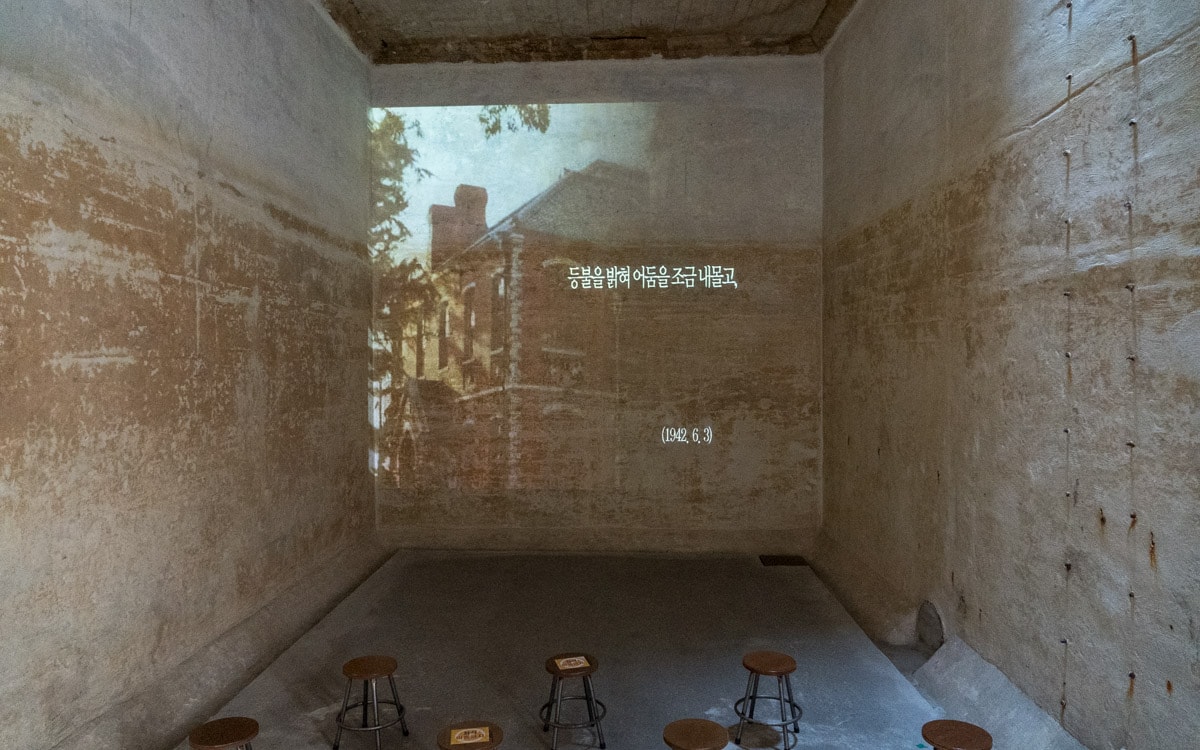
Inside Closed Well (Exhibition Hall 3), visitors can watch a video that portrays Yoon’s life and the poetic world he inhabited. This experience allows visitors to immerse themselves in the emotions of the space, which evokes the essence of Yoon’s literary journey.
As you watch the video, notice the thick walls, sturdy iron gate, and the dim, chilling atmosphere of the space. This serves as a stark reminder of the harsh conditions Yoon endured in his prison cell at Fukuoka Prison.
The last film screening starts at 5:15 PM.
Byoltteulak Reading Space
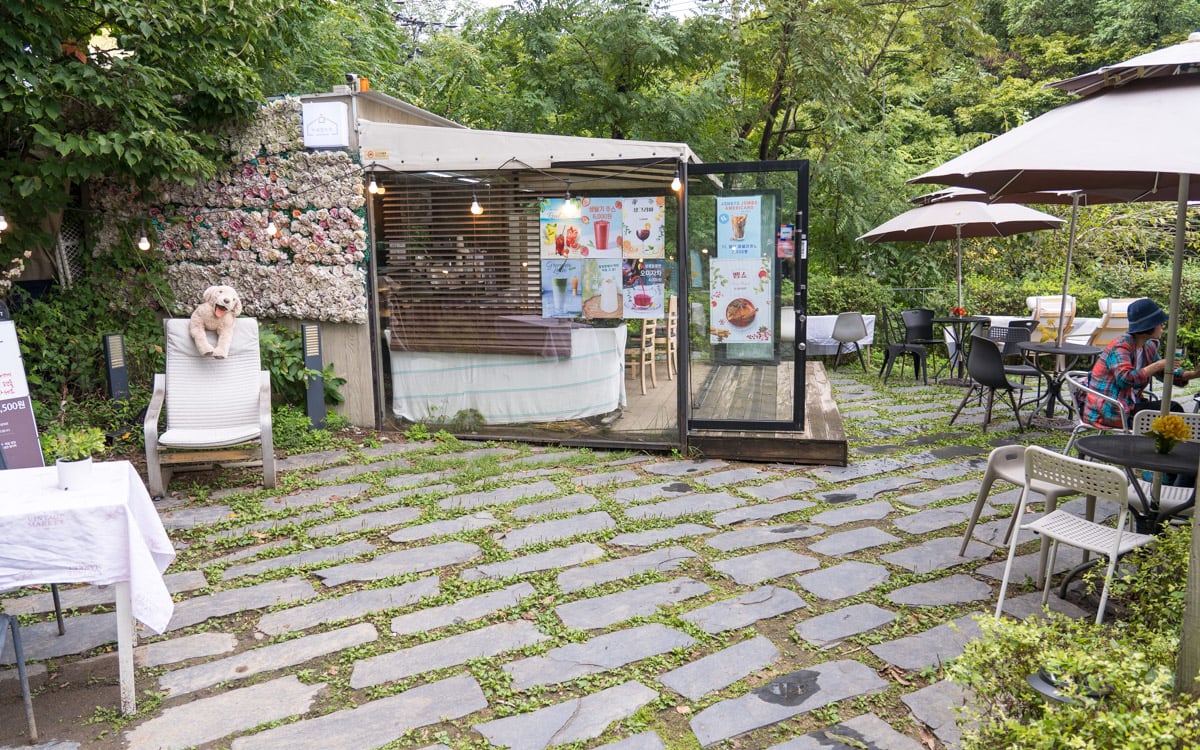
Café Byoltteulak, located above the museum
Above the museum is Byoltteulak, a reading space with books about literature and Yun Dong-ju. The former café also hosts literary activities.
Before You Go
Photography is allowed in Exhibition Hall 2, but not in Halls 1 or 3. The last film screening starts at 5:15 PM. Toilets are outside the museum in Cheongun Park.
Hours and Admission
Hours
Tuesday–Sunday 10:00 AM–6:00 PM
Last admission: 5:30 PM.
Closed on Mondays, January 1, and the days of Seollal and Chuseok.
This working public library combines hanok architecture with the wooded slopes of Inwangsan. It suits readers interested in traditional buildings and a quieter place to pause.
Airalo is a popular eSIM provider used by travelers around the world. It offers South Korea data plans you can buy before you arrive. Check that your phone is compatible first.