
A hyanggyo was a government-run provincial school and Confucian temple that existed throughout Korea during the Goryeo Dynasty (918-1392) and Joseon dynasty (1392-1910). Of the hundreds of these educational institutions built, Yangcheon Hyanggyo is the only hyanggyo remaining in Seoul.
During the Joseon dynasty, Confucianism was the state ideology. And, it was at these hyanggyo where students learned about Confucianism and its rituals. Hyanggyo mainly served the children of the yangban, the ruling upper class of aristocrats, highly educated civil servants, and military officers.
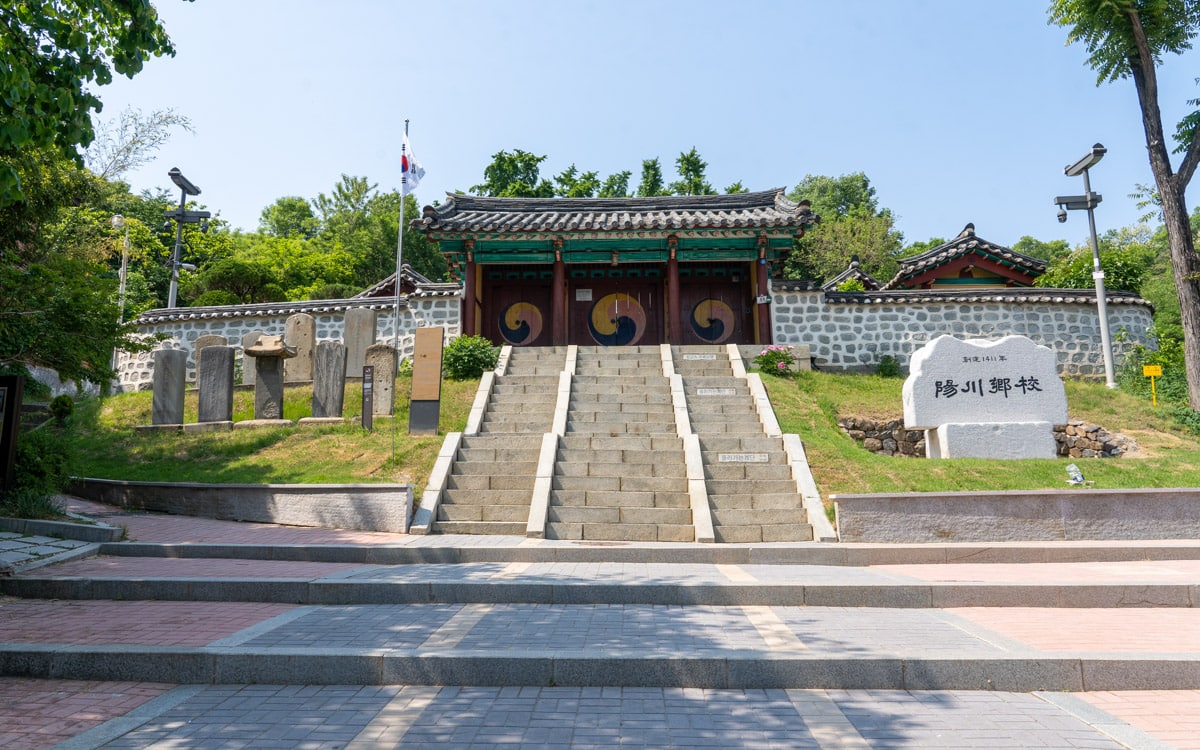
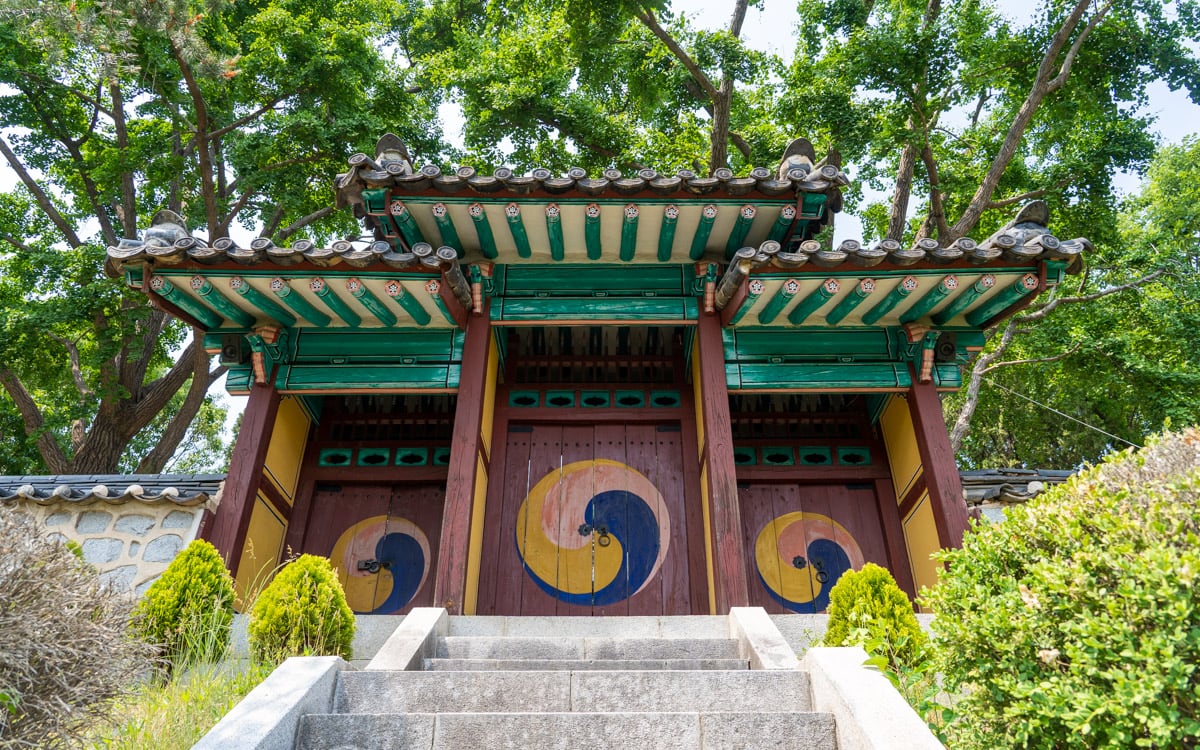
Hyanggyo could be found across Korea. At Yangcheon Hyanggyo, the abolition of the civil service examination system during the Gabo Reforms of 1894 ended its role as a school, while its Confucian ceremonies continued.
While Yangcheon Hyanggyo is no longer used as an active school, many important ceremonies take place there. Twice a month, a ritual ceremony known as Bongshim is held here. Another ceremony, known as Seokjeon Daeje, is held at hyanggyos across Korea and at Seoul Munmyo. Seokjeon Daeje, which takes place in the second and eighth lunar months, honors Confucius. This elaborate ceremony involves sacrificial offerings such as food and alcohol. During the ceremony, dances (munmyo ilmu) and musical performances (munmyo jeryeak) take place. Today, Seokjeon Daeje is part of Korea’s Intangible Cultural Heritage list. In addition to festivals, various programs allow visitors to learn about Confucianism along with Chinese characters, calligraphy, and traditional Korean food.
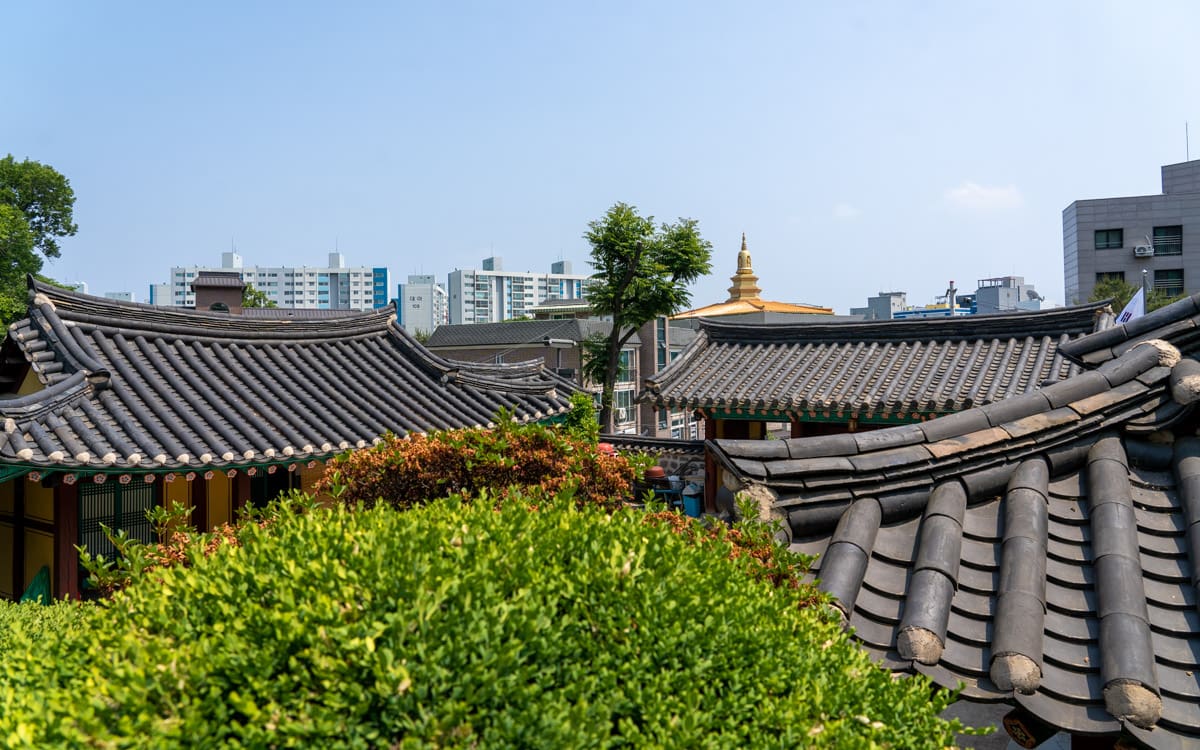
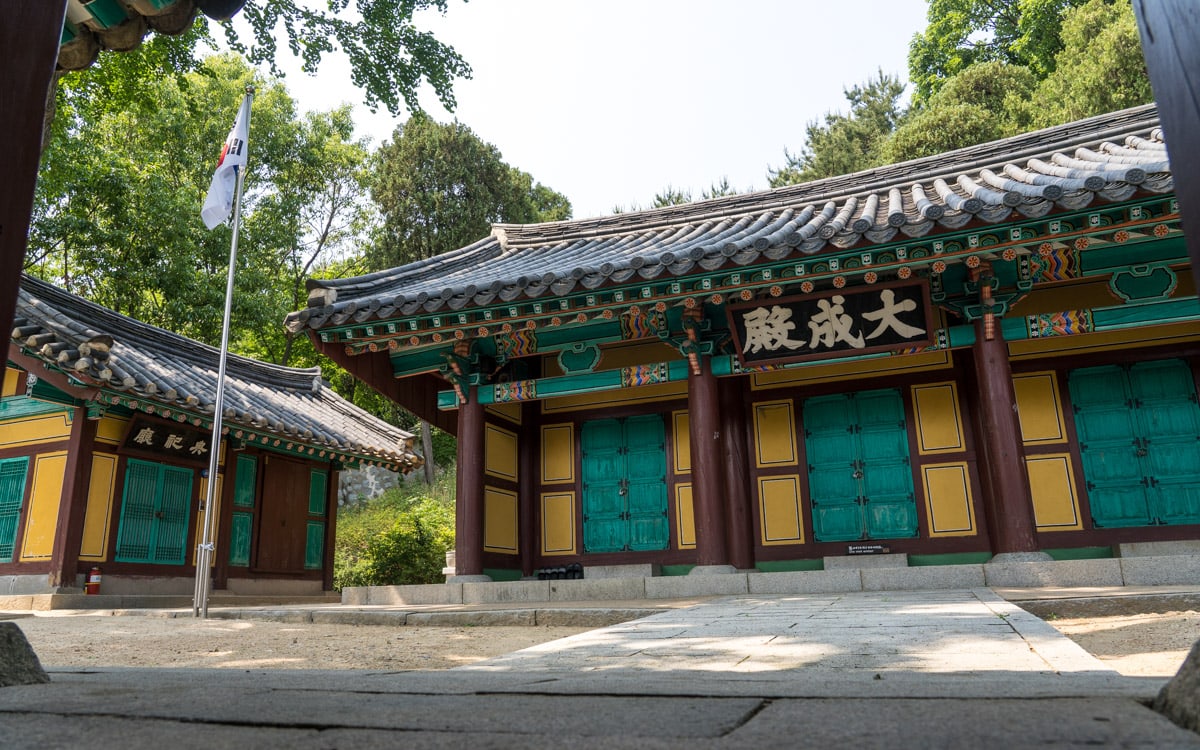
Yangcheon Hyanggyo was founded in 1411 during the 11th year of the rule of King Taejong. Taejong, who was the 3rd king of the Joseon dynasty and the father of King Sejong the Great, ruled from 1400 to 1418. The buildings and gates at Yangcheon Hyanggyo include Daeseongjeon, Jeonsachung, Naesammun, Myeongnyundang, Waesammun, Dongjae, Seojae, and Hongsalmun. Daeseongjeon Hall, located on a hill at the rear of the grounds, is the main shrine hall. Myeongnyundang Hall, which was used as a lecture hall, is located at the front of the grounds. In front of the entrance are the nine stone tablets commemorating government officials.

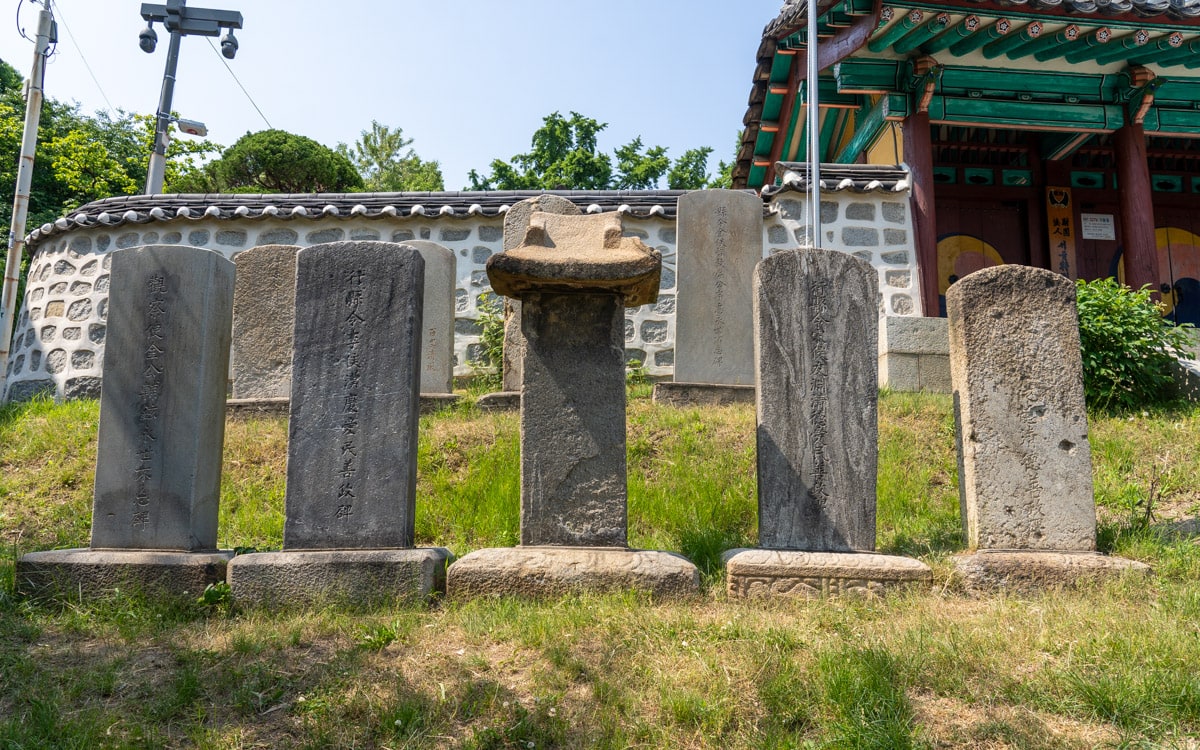
In 1981, Yangcheon Hyanggyo underwent repairs and a full restoration. More repairs were done in 1986 and 1994. Another renovation project occurred between 2007 and 2008.
On June 18, 1990, Yangcheon Hyanggyo was designated as Seoul Cultural Heritage Monument No. 8 by the Seoul Metropolitan Government. On March 5, 2009, the Yangcheon-hyeon Holgi, a ritual manual preserved at the hyanggyo, was designated as Seoul Cultural Heritage Material No. 44.
Hours and Admission
Hours
Tuesday–Sunday
10:00 AM–5:00 PM
Closed on Mondays.
Admission
Free
Getting to Yangcheon Hyanggyo
Gangseo-gu, Seoul, in Gayang-dong at the foot of Gungsan Hill.
Address
53 Yangcheon-ro 47na-gil, Gangseo-gu, Seoul
서울특별시 강서구 양천로47나길 53
View on Google Maps
By subway
Yangcheon Hyanggyo Station (Line 9), Exit 2
Follow the signs toward Yangcheon Hyanggyo and Gungsan. The front gate is on Yangcheon-ro 47na-gil.
Additional Resources
Klook
Klook offers discounted tickets and reservations for attractions and services in Seoul, from theme parks and museums to tours and transportation.
GetYourGuide
GetYourGuide offers tours, attraction tickets, and day trips in Seoul and nearby areas. You can book ahead before your trip.
Airalo
Airalo is a popular eSIM provider used by travelers around the world. It offers South Korea data plans you can buy before you arrive. Check that your phone is compatible first.
Viator by TripAdvisor
Book tours, activities, and unique experiences in Seoul, from sightseeing to cultural events and outdoor adventures, offered by local providers.
Book Recommendations
Prefer a physical guide? Fodor’s Seoul offers detailed recommendations, maps, and travel tips for the city.
Last Updated on Nov 19, 2026